
Understanding Single Screw Extruder Price: A Comprehensive Guide
The price of a single screw extruder is a critical consideration for manufacturers in industries ranging from plastics and food processing to pharmaceuticals and chemicals. As a foundational piece of equipment for melting, mixing, and forming materials, understanding the cost drivers behind a single screw extruder is essential for making an informed investment. This guide delves into the primary factors influencing single screw extruder prices, provides a detailed market breakdown, and offers insights for prospective buyers.
Primary Factors Influencing Single Screw Extruder Price
The cost of a single screw extruder is not a fixed number but a variable influenced by a combination of technical specifications, material choices, and additional features. Below are the core elements that determine the final price.
1. Machine Capacity and Throughput
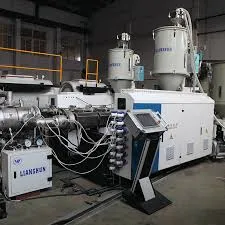
The size and output capacity of the extruder, typically measured in kilograms per hour (kg/h) or pounds per hour (lb/h), are the most significant price determinants. Larger machines with higher throughput capabilities command a higher price due to increased material usage, more powerful drives, and robust construction.
2. Build Quality and Materials of Construction
The materials used for the barrel, screw, and other critical components drastically affect both performance and price. Standard carbon steel constructions are more affordable, while extruders designed for corrosive or high-purity applications using stainless steel, bi-metallic barrels, or specialized coatings (like nitrided or hardened surfaces) are more expensive.
3. Motor Power and Drive System
The power of the main drive motor, measured in kilowatts (kW) or horsepower (HP), directly correlates with price. Additionally, the type of drive system—such as AC variable frequency drives (VFD) for precise speed control—adds to the cost but offers better energy efficiency and process control.
4. Control System Sophistication
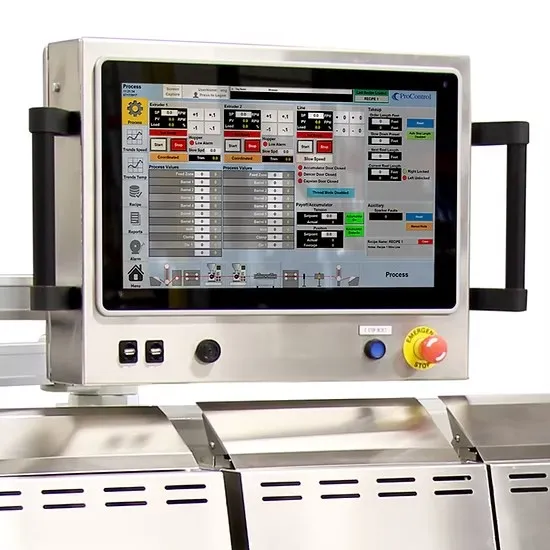
From basic manual controls to fully automated PLC (Programmable Logic Controller) systems with touchscreen HMIs (Human-Machine Interfaces) and data logging capabilities, the level of automation significantly impacts the price. Advanced controls enhance repeatability and reduce operator error.
5. Brand Reputation and Origin
Established brands from North America, Europe, and Japan often carry a price premium due to their proven reliability, extensive R&D, and after-sales support. Conversely, extruders from emerging manufacturing regions may offer lower initial costs but require careful evaluation of long-term service and part availability.
Single Screw Extruder Price Range Breakdown
The following table provides a generalized overview of the price ranges for single screw extruders based on their size and application scope. These are approximate figures and can vary based on the specific factors discussed.
| Extruder Type / Size | Typical Screw Diameter | Estimated Throughput Range | Price Range (USD) | Primary Applications |
|---|---|---|---|---|
| Laboratory / Benchtop | 16 mm - 25 mm | 1 - 10 kg/h | $15,000 - $50,000 | R&D, prototyping, small-batch production |
| Small Industrial | 30 mm - 60 mm | 20 - 200 kg/h | $50,000 - $150,000 | Specialty plastics, masterbatch, food extrusion |
| Medium Industrial | 70 mm - 120 mm | 200 - 800 kg/h | $150,000 - $400,000 | Packaging film, profile extrusion, compounding |
| Large Industrial | > 120 mm | 800+ kg/h | $400,000 - $1,000,000+ | High-volume sheet, pipe, and pellet production |
Additional Cost Considerations Beyond the Base Price
When budgeting for a single screw extruder, it is crucial to account for the total cost of ownership, not just the initial purchase price.
Ancillary Equipment and Tooling
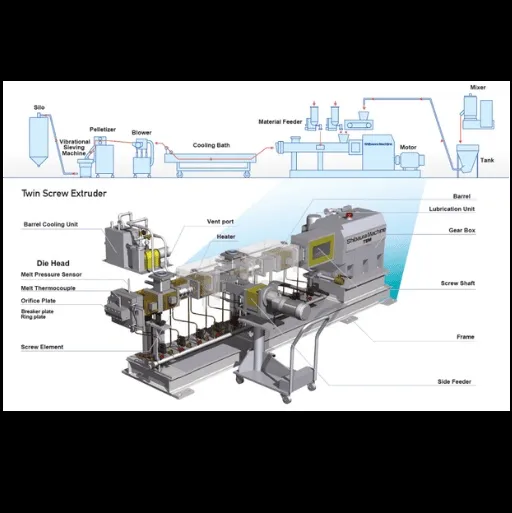
The extruder itself is often part of a complete line. The price must include necessary downstream equipment like dies, calibrators, cooling tanks, haul-offs, and cutters, as well as upstream equipment like dryers or feeders.
Installation, Commissioning, and Training
Professional installation, process commissioning, and operator training services are vital for optimal performance and are typically offered at an additional cost by the manufacturer or supplier.
Maintenance and Spare Parts
Long-term operational costs include routine maintenance, replacement of wear parts (screws, barrels, heaters), and energy consumption. Investing in a higher-quality machine can reduce these ongoing expenses.
Strategies for Optimizing Your Investment
To ensure you receive the best value for your single screw extruder price, consider the following approaches:
Define Your Process Requirements Precisely: Over-specifying leads to unnecessary cost, while under-specifying compromises output and quality. Clearly define material, output, and product specifications.
Evaluate Total Cost of Ownership (TCO): A slightly higher initial investment in a more efficient, reliable machine with local service support can lead to lower costs over a 5-10 year period.
Explore Quality Used or Refurbished Options: For certain applications, a well-maintained used extruder from a reputable dealer can offer substantial savings.
Request Detailed Quotations: Compare quotes from multiple suppliers that break down costs for the machine, standard accessories, optional features, warranty, and support services.
Conclusion
The price of a single screw extruder is a complex equation shaped by technical specifications, build quality, brand value, and ancillary costs. By thoroughly understanding these factors and focusing on the total cost of ownership rather than just the sticker price, manufacturers can make a strategic investment that enhances productivity, product quality, and profitability for years to come. Always engage with reputable suppliers who can provide not just a machine, but a comprehensive process solution and reliable after-sales support.