
The Purpose and Applications of Extrusion Technology
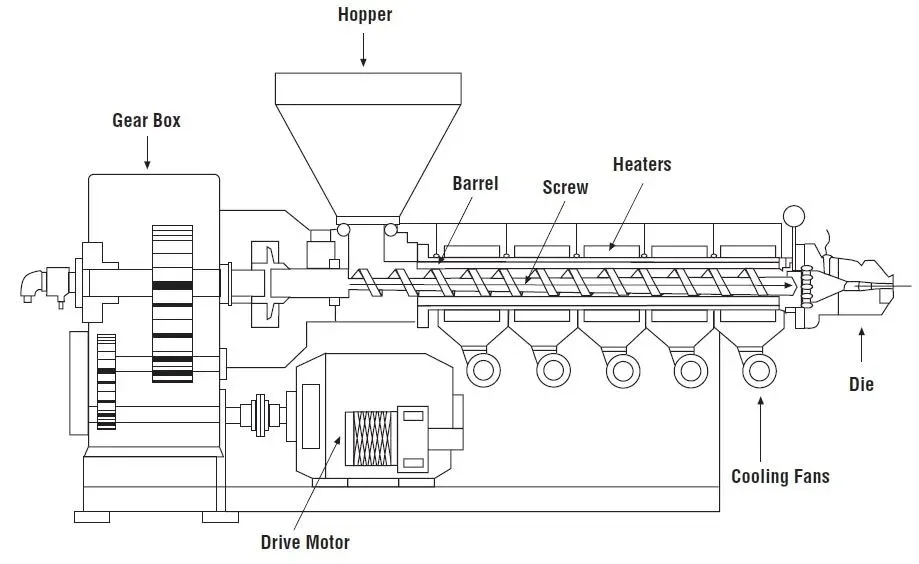
Extrusion is one of the most versatile and widely used manufacturing processes across numerous industries. At its core, extrusion involves forcing material through a die to create objects with a fixed cross-sectional profile. This process serves multiple essential purposes that make it indispensable in modern manufacturing and production.
Primary Purposes of Extrusion
Shape Formation and Profile Creation
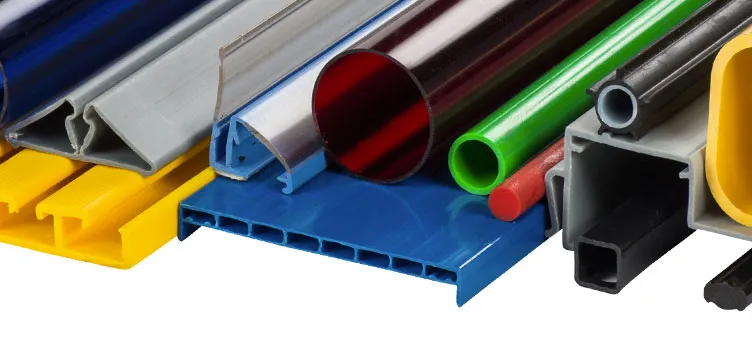
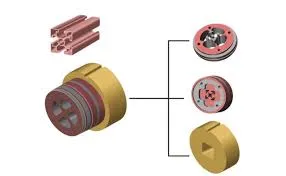
The most fundamental purpose of extrusion is to create continuous linear products with consistent cross-sectional profiles. This capability allows manufacturers to produce complex shapes that would be difficult or impossible to create using other manufacturing methods. From simple rods and tubes to intricate architectural profiles, extrusion enables the creation of uniform products with precise dimensional accuracy.
Material Processing and Modification
Extrusion serves as a crucial method for processing raw materials into usable forms. The process can transform material properties through controlled heating, mixing, and pressure application. This includes homogenizing mixtures, melting plastics, and creating uniform material compositions that meet specific performance requirements.
Key Applications Across Industries
Plastics and Polymer Industry
In the plastics industry, extrusion serves the purpose of creating continuous plastic products such as pipes, sheets, films, and profiles. The process allows for precise control over material properties and dimensions while maintaining high production efficiency.
Metal Manufacturing
Metal extrusion purposes include creating structural components, automotive parts, and building materials. The hot extrusion process enables the formation of complex metal profiles with excellent mechanical properties and surface finishes.
Food Processing
Food extrusion serves multiple purposes including cooking, shaping, and texturizing food products. This technology is essential for producing pasta, breakfast cereals, snacks, and pet foods with consistent quality and texture.
| Extrusion Type | Primary Purpose | Common Materials | Key Applications |
|---|---|---|---|
| Hot Extrusion | Shape formation of metals at high temperatures | Aluminum, Copper, Steel | Structural components, automotive parts |
| Cold Extrusion | Precision forming at room temperature | Steel, Aluminum, Copper | Fasteners, automotive components |
| Plastic Extrusion | Continuous profile creation of polymers | PVC, PE, PP, PS | Pipes, sheets, profiles, films |
| Food Extrusion | Cooking and shaping food products | Cereals, proteins, starches | Pasta, snacks, pet food |
Technical Advantages and Benefits
Production Efficiency
The purpose of extrusion includes achieving high production rates with continuous operation capabilities. This makes it particularly suitable for mass production where consistency and volume are critical factors.
Material Utilization
Extrusion serves the purpose of minimizing material waste through efficient processing. The continuous nature of the process and the ability to recycle scrap materials contribute to improved sustainability and cost-effectiveness.
Versatility and Flexibility
The purpose of extrusion technology extends to its adaptability across different materials and product requirements. Quick die changes and adjustable process parameters allow manufacturers to switch between different products efficiently.
| Parameter | Purpose | Effect on Final Product |
|---|---|---|
| Temperature | Control material viscosity and flow properties | Surface finish, dimensional stability |
| Pressure | Ensure complete die filling and material consolidation | Density, mechanical properties |
| Screw Speed | Control production rate and material mixing | Output consistency, product quality |
| Die Design | Determine final product shape and dimensions | Profile accuracy, surface quality |
Future Developments and Innovations
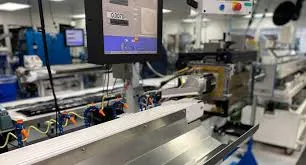
The purpose of extrusion continues to evolve with technological advancements. Emerging applications include biomedical device manufacturing, composite material production, and additive manufacturing processes. The integration of smart sensors, automation, and real-time monitoring systems is enhancing the precision and capabilities of extrusion technology.
Sustainable Manufacturing
Modern extrusion serves the purpose of supporting sustainable manufacturing practices through energy-efficient processes, material recycling capabilities, and reduced environmental impact. The development of biodegradable materials and eco-friendly processes further expands the environmental benefits of extrusion technology.
Advanced Materials Processing
The purpose of extrusion now includes processing advanced materials such as nanocomposites, high-performance polymers, and specialized alloys. These developments enable the creation of products with enhanced properties for demanding applications in aerospace, medical, and electronics industries.