
The Future of Thermoforming Machine Automation
Thermoforming automation represents the next evolutionary step in plastic manufacturing, combining advanced robotics, artificial intelligence, and data analytics to create smarter, more efficient production systems.
Current State of Thermoforming Automation
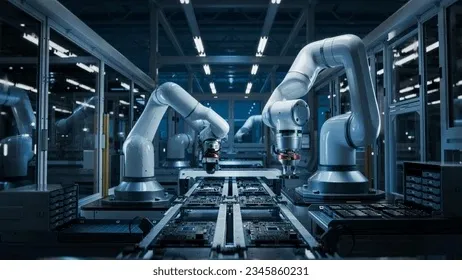
Modern thermoforming facilities have already embraced various levels of automation, from basic material handling to sophisticated quality control systems. The current automation landscape includes robotic part removal, automated trimming systems, and integrated material feeding mechanisms. These technologies have significantly improved production efficiency while reducing labor costs and human error.
Key Automation Technologies in Use Today
| Technology | Function | Benefits | Implementation Level |
|---|---|---|---|
| Robotic Part Removal | Automated extraction of formed parts from molds | Increased speed, reduced labor, consistent handling | Widely Adopted |
| Automated Trimming Systems | Precision cutting of formed parts | Higher accuracy, reduced material waste | Moderately Adopted |
| Integrated Material Handling | Automated feeding of plastic sheets | Continuous operation, reduced downtime | Widely Adopted |
| Vision Inspection Systems | Automated quality control | Improved quality, reduced defects | Growing Adoption |
Emerging Technologies Shaping the Future
Artificial Intelligence and Machine Learning
The integration of AI and machine learning represents the most significant advancement in thermoforming automation. These technologies enable predictive maintenance, quality optimization, and process improvement through continuous data analysis. Machine learning algorithms can identify patterns in production data that human operators might miss, leading to improved efficiency and reduced waste.
Internet of Things (IoT) Integration
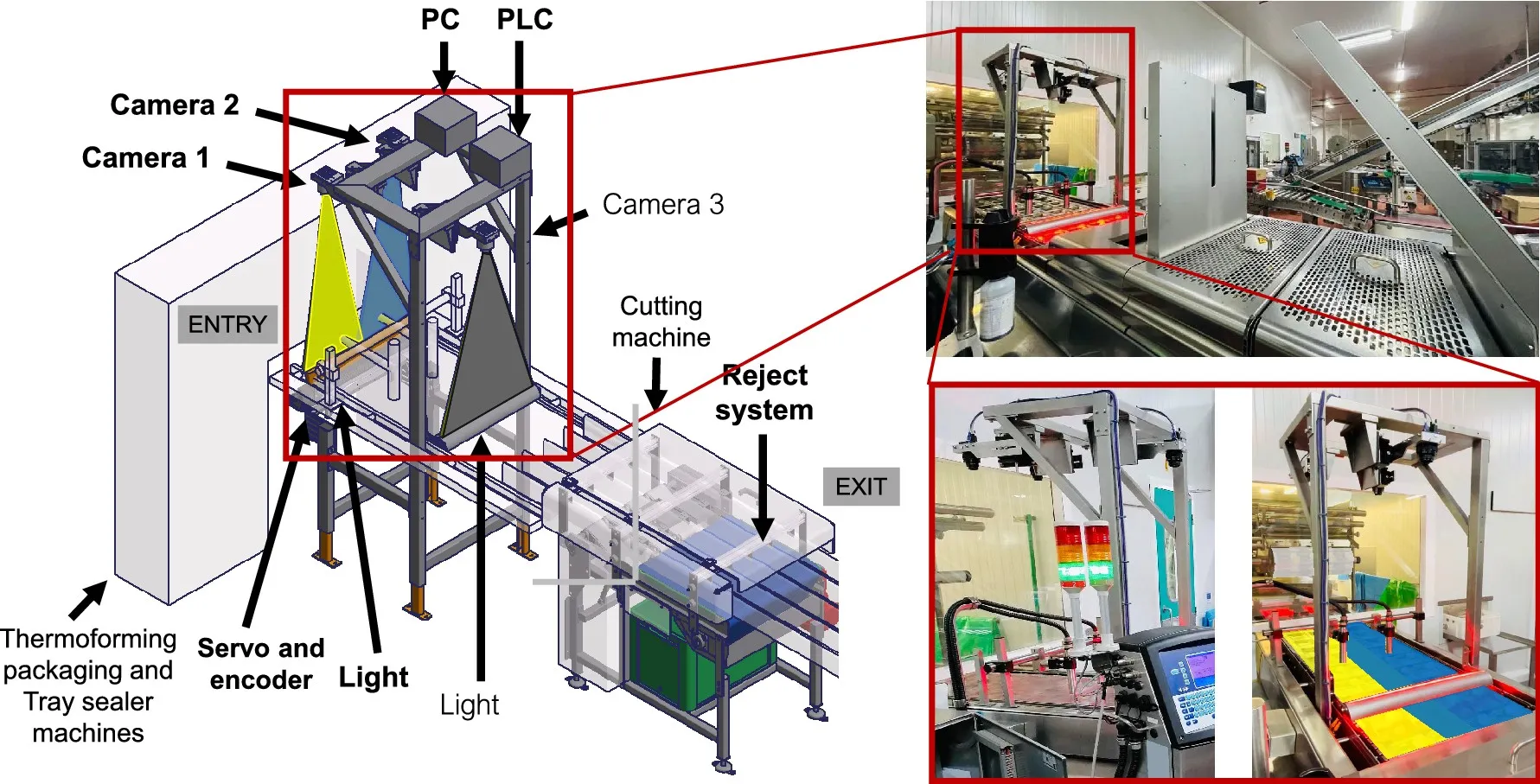
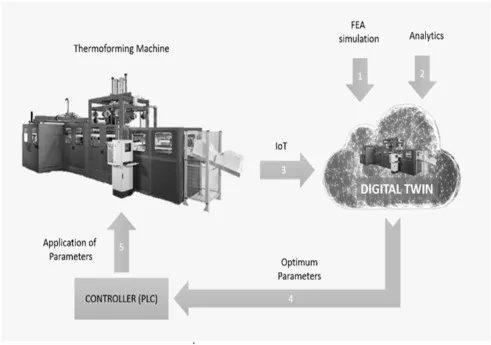
IoT connectivity allows thermoforming machines to communicate with other equipment throughout the manufacturing facility. This creates a fully integrated production ecosystem where data flows seamlessly between machines, enabling real-time adjustments and optimization. IoT sensors monitor everything from temperature and pressure to material consistency and machine performance.
Advanced Robotics and Collaborative Systems
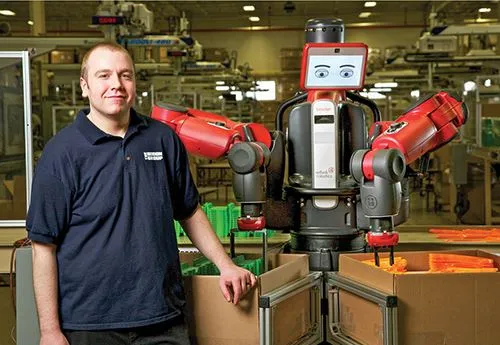
Next-generation robotics are becoming more sophisticated, with improved dexterity, vision systems, and adaptability. Collaborative robots (cobots) work alongside human operators, combining the precision and endurance of machines with the problem-solving abilities of human workers. These systems are particularly valuable for complex tasks that require both automation and human judgment.
Benefits of Advanced Automation
| Benefit Category | Specific Advantages | Impact Level |
|---|---|---|
| Operational Efficiency | 24/7 operation, reduced cycle times, higher throughput | High |
| Quality Improvement | Consistent output, reduced defects, better dimensional accuracy | High |
| Cost Reduction | Lower labor costs, reduced material waste, less energy consumption | Medium-High |
| Safety Enhancement | Reduced worker exposure to hazardous conditions | Medium |
| Flexibility | Quick changeovers, adaptable to different product types | Medium |
Challenges and Considerations
Implementation Costs and ROI
While automation offers significant long-term benefits, the initial investment can be substantial. Companies must carefully calculate return on investment and consider factors such as production volume, product complexity, and labor costs when deciding on automation levels.
Workforce Adaptation
The transition to automated systems requires workforce retraining and cultural adaptation. Companies must invest in training programs to help employees develop the skills needed to operate and maintain advanced automation systems.
Technical Integration
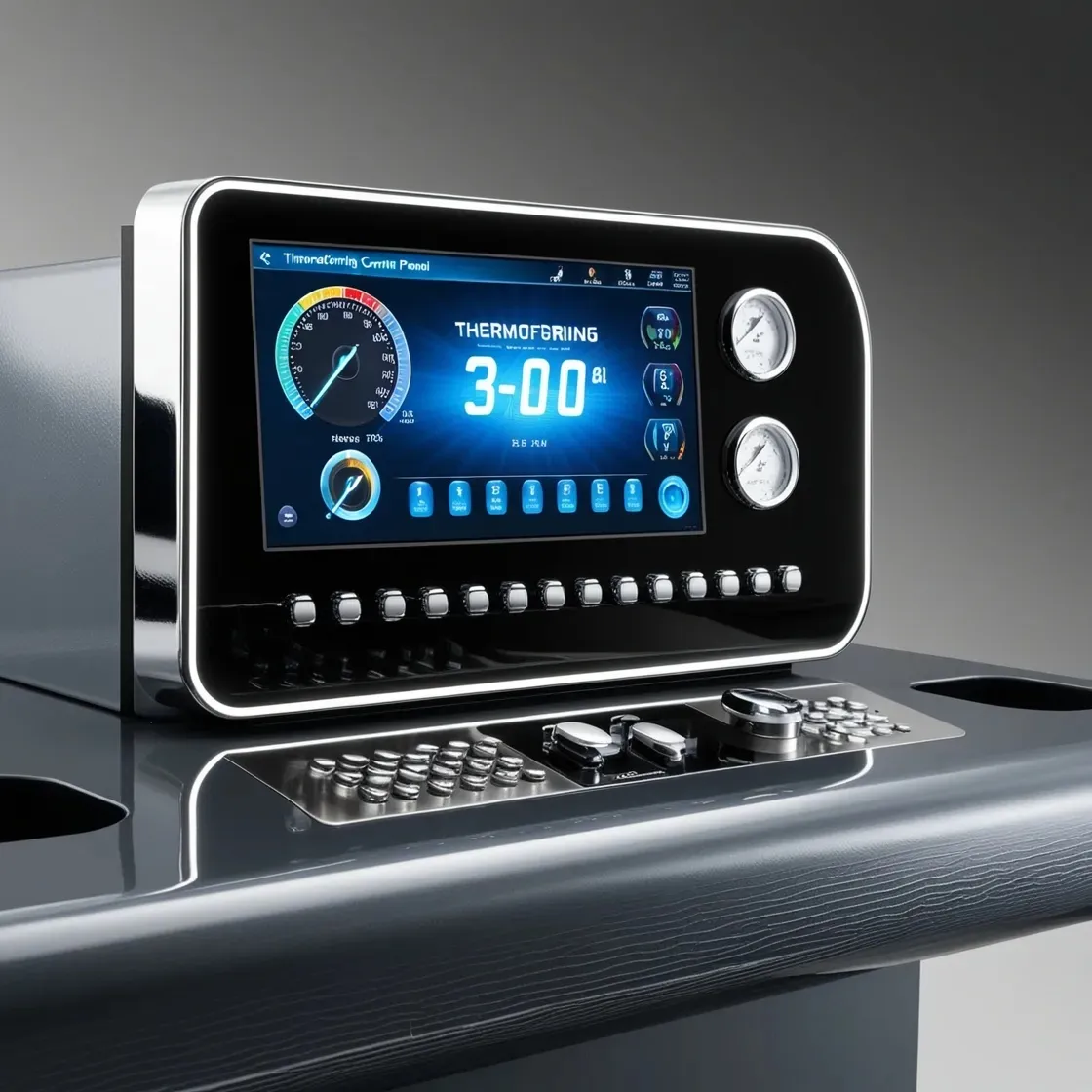
Integrating new automation technologies with existing equipment and software systems can present technical challenges. Compatibility issues, data standardization, and system interoperability must be carefully addressed during implementation.
The Path Forward: Smart Factories and Industry 4.0
The ultimate goal of thermoforming automation is the creation of smart factories where machines, systems, and people communicate and collaborate seamlessly. Industry 4.0 principles are driving this transformation, emphasizing cyber-physical systems, IoT connectivity, and cloud computing.
Future thermoforming facilities will feature fully integrated digital twins, real-time optimization algorithms, and self-correcting production processes that anticipate and resolve issues before they impact production.
Predictive Maintenance and Self-Optimization
Advanced automation systems will increasingly incorporate predictive maintenance capabilities, using sensor data and AI algorithms to anticipate equipment failures before they occur. This proactive approach minimizes downtime and extends equipment lifespan.
Conclusion: Embracing the Automated Future
The future of thermoforming machine automation is bright and transformative. As technologies continue to evolve, manufacturers who embrace these changes will gain significant competitive advantages through improved efficiency, quality, and flexibility. The journey toward full automation requires careful planning and investment, but the rewards in terms of productivity and profitability make it an essential direction for the industry.
Companies that successfully navigate this transition will position themselves as leaders in the increasingly competitive global manufacturing landscape, ready to meet the demands of tomorrow's markets with advanced, automated thermoforming solutions.