
The film blowing process, a cornerstone of the plastics packaging industry, is undergoing a profound transformation. Driven by the relentless demand for higher quality, reduced waste, and operational efficiency, automation is no longer a luxury but a necessity. The future of film blowing machine automation points towards fully integrated, intelligent, and self-optimizing production lines that will redefine manufacturing standards.
Core Pillars of Next-Generation Automation
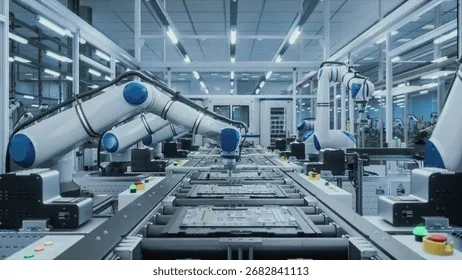
The evolution of automation in film blowing is built upon several interconnected technological pillars. These systems work in concert to create a seamless, data-driven production environment.
1. Advanced Process Control and AI Integration
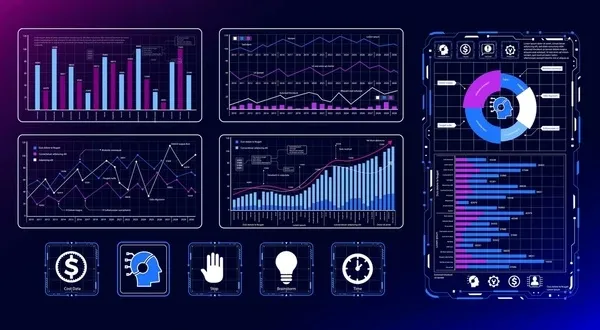
Future machines will be governed by sophisticated control systems powered by Artificial Intelligence (AI) and Machine Learning (ML). These systems will move beyond simple parameter maintenance to predictive and adaptive control. By analyzing real-time data from myriad sensors—monitoring bubble stability, melt temperature, thickness, and ambient conditions—the AI can predict potential defects or breaks before they occur and automatically adjust parameters to compensate.
2. Integrated Robotics and Automated Material Handling
Automation will extend far beyond the die and winder. Robotic systems will handle core insertion, roll doffing, trimming, palletizing, and packaging. Vision-guided robots will ensure perfect roll alignment and wrapping. This not only reduces labor costs but also minimizes human error and physical strain, while enabling lights-out operation for significant portions of the production cycle.
3. IoT and Industrial Connectivity (Industry 4.0)
Every component of the film blowing line will be a data node on the Industrial Internet of Things (IIoT). This connectivity enables:
- Predictive Maintenance: Sensors on motors, gears, and heaters will forecast failures, scheduling maintenance only when needed, thus avoiding unplanned downtime.
- Digital Twins: A virtual replica of the physical machine will allow for simulation, optimization, and operator training without interrupting production.
- Supply Chain Integration: The machine can automatically communicate with raw material suppliers and warehouse systems to ensure just-in-time inventory.
Key Benefits and Impact on Production
The shift towards hyper-automation delivers tangible benefits across the entire value chain.
| Aspect | Traditional Machine | Fully Automated Future Machine |
|---|---|---|
| Quality Consistency | Manual sampling; potential for variance | 100% inline monitoring with instant feedback loops |
| Material Waste | Higher due to manual transitions and set-up errors | Minimized by predictive control and precise automated set-ups |
| Energy Consumption | Often sub-optimal | AI-optimized for minimal energy use per kg of output |
| Operator Role | Hands-on machine adjustment | Supervision, data analysis, and exception management |
| Changeover Time | Hours, requiring skilled technicians | Minutes, automated recipe recall and adjustment |
Challenges on the Path to Full Automation
Despite the clear trajectory, the journey is not without obstacles. High initial capital investment remains a significant barrier, especially for small and medium-sized enterprises. The complexity of these systems demands a new breed of skilled technicians and engineers capable of maintaining software and robotics alongside traditional mechanical knowledge. Furthermore, robust cybersecurity measures are paramount to protect interconnected, data-rich production environments from digital threats.
The Sustainable and Customizable Future
Automation is a key enabler for sustainability. By drastically reducing scrap, optimizing material use, and lowering energy consumption, automated film blowing lines contribute directly to environmental goals. Furthermore, this high level of control makes it economically viable to process a wider range of recycled and bio-based materials, which often have more variable processing characteristics.
Finally, the future points towards mass customization. Smart, automated lines will allow for cost-effective production of ultra-short runs of specialized film—with specific barrier properties, colors, or thickness profiles—catering to niche markets and personalized packaging demands without the traditional efficiency penalty.
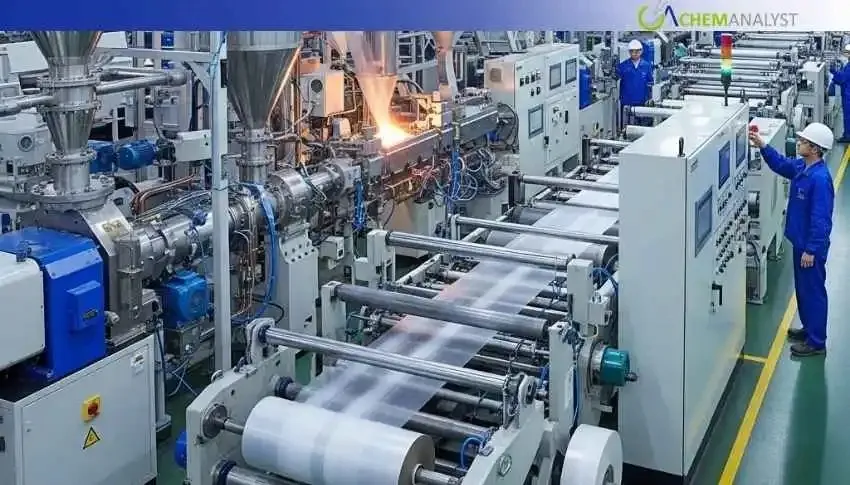
In conclusion, the future of film blowing machine automation is a holistic ecosystem of intelligence, connectivity, and precise mechanical action. It transcends mere labor replacement, evolving into a strategic framework for achieving unprecedented levels of quality, efficiency, and flexibility. As these technologies mature and become more accessible, they will set a new global standard for plastic film manufacturing, pushing the industry towards a smarter, more responsive, and more sustainable era.