
Sumitomo All-Electric Injection Molding Machines: Precision, Efficiency, and Sustainability
The evolution of injection molding technology has been significantly shaped by the advent of all-electric machines. Among the leaders in this field, Sumitomo (SHI) Demag's all-electric injection molding machines stand out for their exceptional precision, energy efficiency, and reliability. These machines represent a paradigm shift from traditional hydraulic systems, offering manufacturers a powerful tool to enhance product quality, reduce operational costs, and meet stringent sustainability goals. This article delves into the core technology, advantages, and applications of Sumitomo's all-electric injection molding solutions.
Core Technology and Design Philosophy
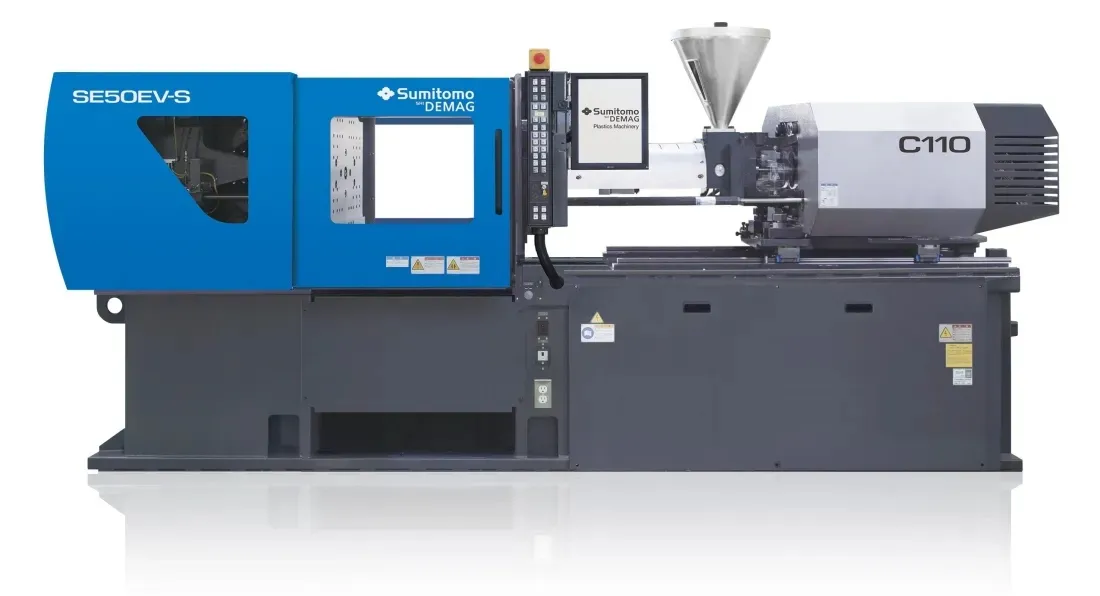
Sumitomo Demag's all-electric machines replace hydraulic power with servo-electric motors for all primary movements—injection, clamping, and ejection. Each axis is independently controlled by a high-response servo motor, eliminating the inherent inefficiencies and variability of hydraulic fluid systems. The design focuses on achieving unparalleled repeatability and accuracy, which is critical for manufacturing high-tolerance components in industries such as medical, electronics, and optical.
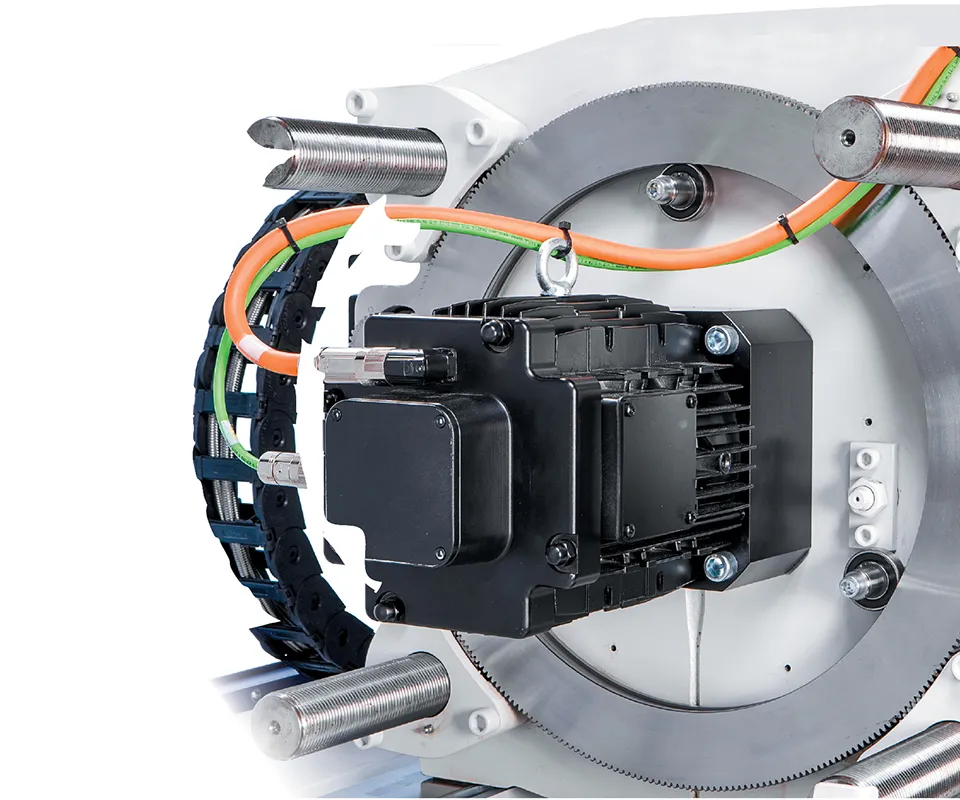
The heart of the system is the sophisticated digital control, often the NC5 or newer NC7 controller. This controller provides precise, closed-loop control over every aspect of the molding process, ensuring consistent shot-to-shot performance. The elimination of hydraulic oil also removes associated issues like leaks, heat generation, and oil degradation, leading to a cleaner and more stable production environment.
Key Advantages and Features
1. Exceptional Energy Efficiency
All-electric machines consume power only when performing work. Unlike hydraulic machines that run pumps continuously, Sumitomo's servo motors activate on-demand. This can lead to energy savings of 40% to 60% compared to hydraulic counterparts, a crucial factor in reducing the total cost of ownership and carbon footprint.
2. Supreme Precision and Repeatability
The direct drive of servo motors provides extremely accurate positioning and velocity control. This translates to superior control over injection speed, pressure, and screw position, resulting in minimal part weight variation and exceptional dimensional stability. This precision is non-negotiable for micromolding or producing lens components.
3. High Speed and Productivity
With no hydraulic system to pressurize, all-electric machines offer faster response times and cycle times. Accelerations and decelerations are quicker, and the dry-cycle times are often superior. This enables higher throughput for thin-wall packaging or consumer electronics applications.
4. Cleanliness and Low Maintenance
The absence of hydraulic oil eliminates the risk of contamination from oil leaks or smoke, making these machines ideal for cleanroom applications (e.g., medical devices, semiconductor carriers). Maintenance is simplified to primarily mechanical components like belts and guides, reducing downtime and service costs.
Comparison with Hybrid and Hydraulic Machines
The following table highlights the primary differences between Sumitomo's all-electric machines and other types:
| Feature | Sumitomo All-Electric | Hybrid (Electro-Hydraulic) | Full Hydraulic |
|---|---|---|---|
| Drive System | Servo Motors (All axes) | Servo Motor + Hydraulic Pump | Constant Hydraulic Pump |
| Energy Consumption | Very Low (On-demand) | Moderate | High (Continuous) |
| Precision & Repeatability | Excellent | Good to Very Good | Good (with closed-loop) |
| Cleanliness | Excellent (Oil-free) | Good (Limited oil use) | Lower (Risk of leaks) |
| Noise Level | Very Low (<70 dB) | Moderate | High |
| Ideal Application | High-precision, Medical, Electronics | General Purpose, Automotive | Large-tonnage, Structural parts |
Primary Industry Applications
Sumitomo all-electric injection molding machines are deployed across a spectrum of demanding industries:
- Medical & Healthcare: Syringes, inhalers, surgical tools, and implantable device components where cleanliness and ultra-tight tolerances are paramount.
- Electronics & Connectors: Miniature connectors, sensor housings, and semiconductor packages requiring high-speed, flash-free molding.
- Optical & Lens: Precision lenses for cameras, LEDs, and medical devices where clarity and dimensional accuracy are critical.
- Packaging: Thin-wall containers and closures, benefiting from fast cycles and precise material distribution.
Future Trends and Integration with Industry 4.0
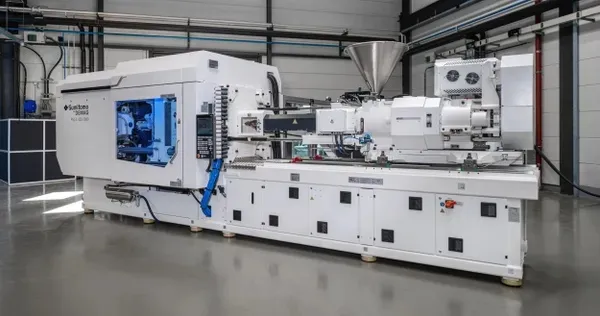
Sumitomo continues to innovate, integrating its machines into the smart factory ecosystem. Features like Seiki-Check for autonomous process setup and optimization, and advanced connectivity via OPC UA or proprietary interfaces, allow for real-time monitoring, predictive maintenance, and seamless data exchange with Manufacturing Execution Systems (MES). This digital integration enhances overall equipment effectiveness (OEE) and enables data-driven decision-making.
Conclusion
Sumitomo (SHI) Demag's all-electric injection molding machines are more than just an alternative to hydraulic power; they are a strategic investment in quality, efficiency, and sustainable manufacturing. By leveraging direct servo-electric drive technology and advanced digital control, they provide the precision necessary for the most challenging applications while significantly reducing energy consumption and environmental impact. As industries continue to demand higher standards, the role of these high-performance machines will only become more central to the future of injection molding.