
Rubber Transfer Molding Machines: A Comprehensive Guide
Rubber transfer molding is a critical manufacturing process used to produce high-precision rubber components for industries ranging from automotive to medical devices. At the heart of this process is the rubber transfer molding machine, a sophisticated piece of equipment designed to shape uncured rubber into complex geometries with excellent dimensional accuracy and surface finish. This article delves into the working principles, key components, applications, and technological advancements of these machines.
1. Working Principle of Rubber Transfer Molding
Transfer molding is a hybrid process that combines aspects of compression and injection molding. In this method, uncured rubber compound is placed in a separate chamber called the transfer pot, which is located above the mold cavity. A plunger then forces the material through a sprue and runner system into the heated mold cavities. The rubber cures under heat and pressure, after which the mold opens, and the finished part is ejected.
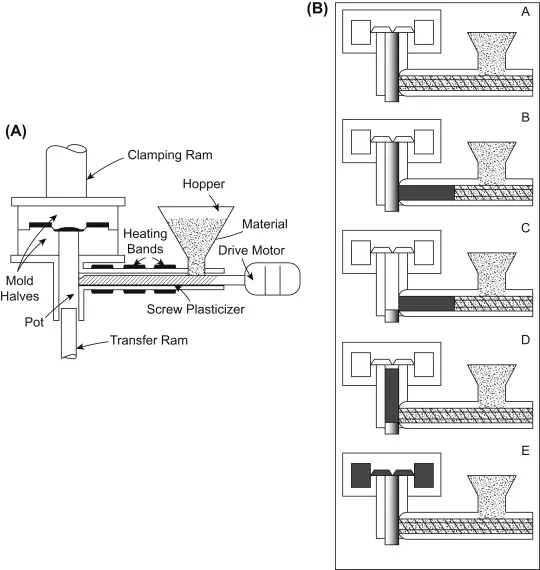
Figure 1: Schematic of the rubber transfer molding process.
The key advantage of transfer molding over simple compression molding is its ability to handle more intricate parts with inserts (like metal or plastic components) and multiple cavities, while maintaining tighter tolerances and reducing flash.
2. Key Components of a Transfer Molding Machine
A modern rubber transfer molding machine is an integrated system comprising several essential components:
2.1 Hydraulic System
Provides the high pressure required to force the rubber from the pot into the mold cavities. Modern machines use servo-hydraulic systems for precise control over pressure and speed profiles.
2.2 Transfer Pot and Plunger
The pot holds the pre-measured rubber charge. The plunger, driven by the hydraulic system, performs the transfer action. Pots can be top-mounted or integral to the platen.
2.3 Mold Clamping Unit
A robust clamping mechanism keeps the mold tightly closed against the high internal injection pressure. Clamping force is a critical specification, typically ranging from 25 to 500 tons.
2.4 Heating System
Electric, steam, or oil-based heating systems maintain precise temperature control in the platens and sometimes the transfer pot to initiate and control the vulcanization process.
2.5 Control System
The brain of the machine. Modern machines feature Programmable Logic Controllers (PLCs) and touch-screen Human-Machine Interfaces (HMIs) for setting and monitoring parameters like temperature, pressure, time, and plunger speed.
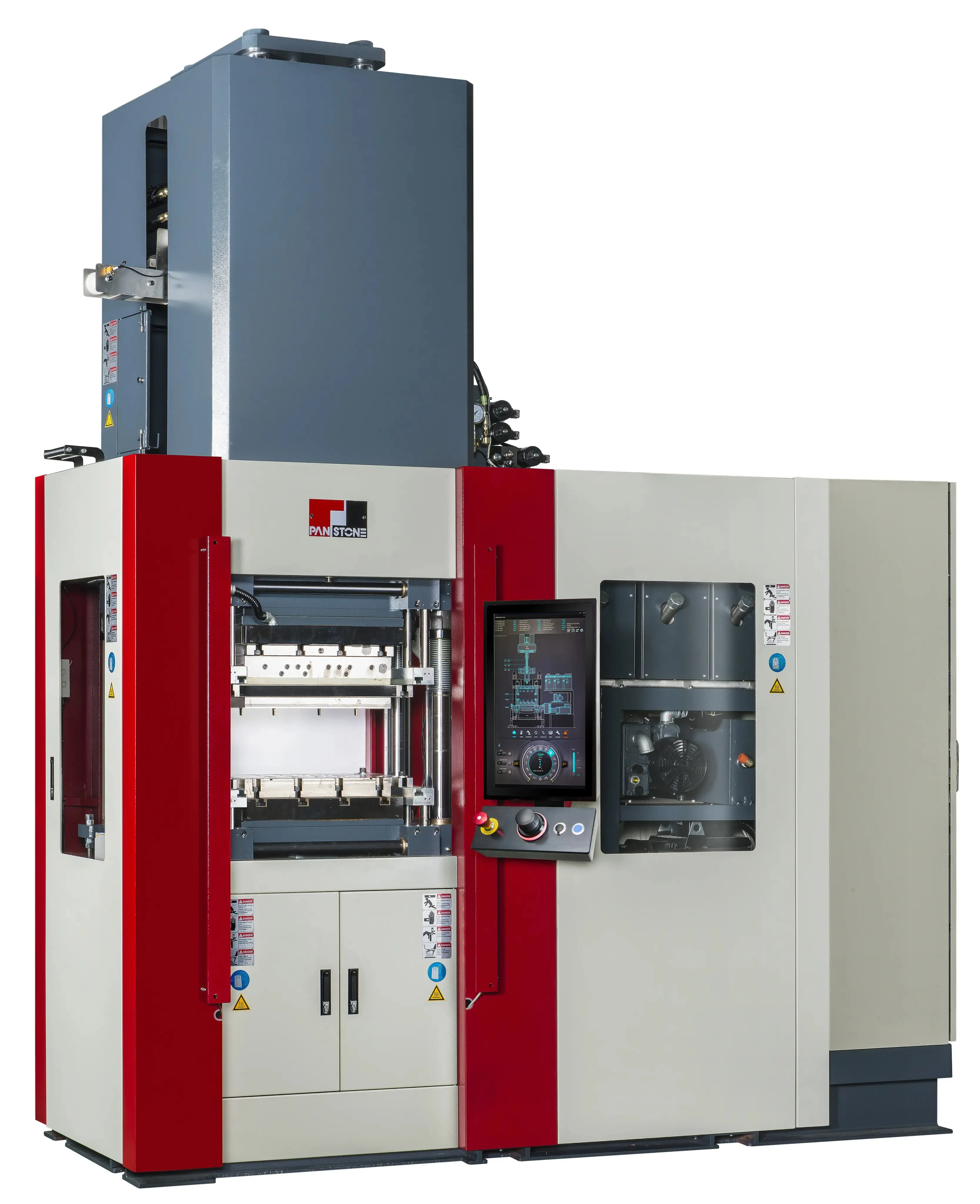
Figure 2: Advanced PLC-based control panel for process parameter management.
3. Applications and Industries Served
Rubber transfer molding is indispensable for manufacturing a wide array of components. The following table highlights key applications across various industries:
| Industry | Typical Components Produced | Material Commonly Used |
|---|---|---|
| Automotive | Seals, gaskets, vibration dampers, diaphragms, hose connectors | NBR (Nitrile), EPDM, Silicone |
| Medical & Healthcare | Syringe plungers, valve seals, bottle droppers, respiratory masks | Medical-grade Silicone, Isoprene |
| Electronics | Keypads, connectors, seals for enclosures, insulating boots | Silicone, Conductive rubber |
| Aerospace | O-rings, grommets, vibration isolators, fuel system seals | Fluorosilicone, FKM (Viton®), HNBR |
| Industrial Goods | Rollers, diaphragms for pumps and valves, custom seals | Natural Rubber, Polyurethane, CR (Neoprene) |
4. Advantages and Limitations
4.1 Advantages
- Precision and Complexity: Excellent for molding parts with complex shapes, undercuts, and delicate inserts.
- Reduced Flash: Produces less flash compared to compression molding, minimizing secondary trimming operations.
- Good Material Properties: The forced flow can improve rubber homogeneity and knit lines.
- Multi-Cavity Efficiency: Well-suited for high-volume production of small to medium-sized parts.
4.2 Limitations
- Higher Tooling Cost: Molds are more complex due to the pot, sprue, and runner system.
- Material Waste: The leftover rubber in the pot and runners (cull) is wasted, though sometimes recyclable.
- Cycle Time: Can be longer than injection molding for some parts due to the transfer phase.
5. Technological Advancements
The latest rubber transfer molding machines incorporate cutting-edge technologies to enhance efficiency, precision, and connectivity.
5.1 Industry 4.0 Integration
Modern machines are equipped with IoT sensors and connectivity for real-time monitoring of machine health, production data, and process parameters. This enables predictive maintenance and data-driven optimization.
5.2 Precision Servo-Hydraulics
Replacing traditional hydraulic systems, servo-driven systems offer unparalleled control over plunger speed and pressure, leading to higher part consistency and energy savings.
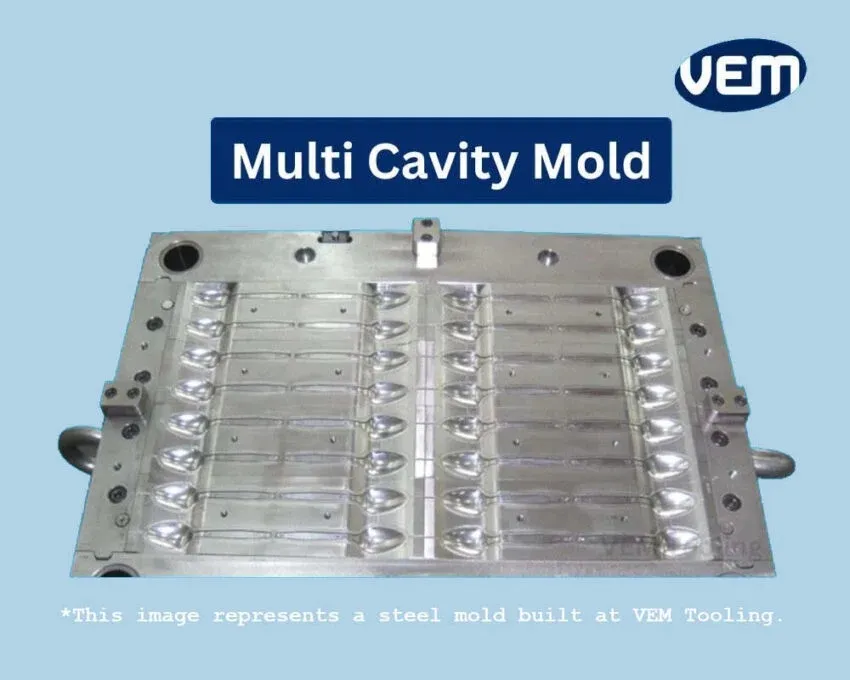
Figure 3: A complex multi-cavity mold used in a transfer press for mass production.
5.3 Automated Feeding and Part Handling
Integration with robotic systems for automatic loading of rubber preforms and inserts, as well as unloading of finished parts, is becoming standard for high-volume, lights-out manufacturing.
6. Selection Criteria for a Transfer Molding Machine
Choosing the right machine depends on several factors:
- Clamping Force: Must be sufficient to keep the mold closed against transfer pressure.
- Platen Size & Daylight: Determines the maximum mold size that can be accommodated.
- Transfer Capacity: The volume of the transfer pot and the force of the transfer ram.
- Control Sophistication: Needed for complex process recipes and data logging.
- Heating Method and Zones: Important for temperature uniformity and curing control.
Conclusion
The rubber transfer molding machine remains a vital and evolving technology in the elastomer processing landscape. By offering a unique balance between the simplicity of compression molding and the precision of injection molding, it fills a crucial niche for manufacturing high-quality, insert-molded rubber parts. Continuous advancements in automation, control, and connectivity are ensuring that transfer molding stays relevant, efficient, and competitive in the modern manufacturing era, meeting the stringent demands of next-generation applications across critical industries.