
Mini Horizontal Injection Molding Machine: A Compact Powerhouse for Modern Manufacturing
In the dynamic landscape of modern manufacturing, efficiency, flexibility, and cost-effectiveness are paramount. For entrepreneurs, R&D departments, and small to medium-sized enterprises (SMEs), the mini horizontal injection molding machine has emerged as a game-changing solution. This compact yet robust equipment brings the capabilities of industrial-scale plastic molding into accessible, benchtop formats, enabling in-house production of high-quality plastic parts with remarkable precision.
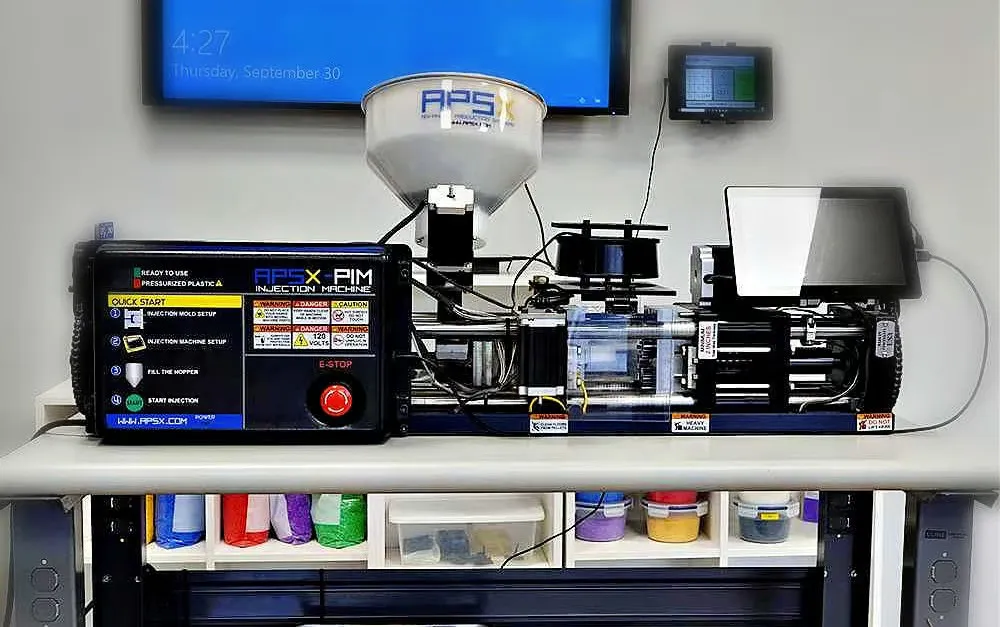
Core Design and Operational Principle
Unlike its vertical counterparts, the mini horizontal injection molding machine features a horizontal clamping unit and a horizontal injection unit aligned on the same axis. This design mimics the configuration of large industrial machines but on a significantly reduced scale. The process begins with plastic granules being fed into the machine's hopper. They are then conveyed into a heated barrel where a rotating screw melts and homogenizes the material. The screw then acts as a plunger, injecting the molten plastic at high pressure into a closed mold cavity. After a cooling period, the mold opens, and the finished part is ejected.
Key Advantages of the Horizontal Configuration
The horizontal layout offers distinct benefits for miniaturized systems. It facilitates easier integration of automated part removal systems and often provides better stability for the mold during the high-pressure injection phase. Gravity also assists in the part ejection process, contributing to smoother operation cycles.
Primary Applications and Use Cases
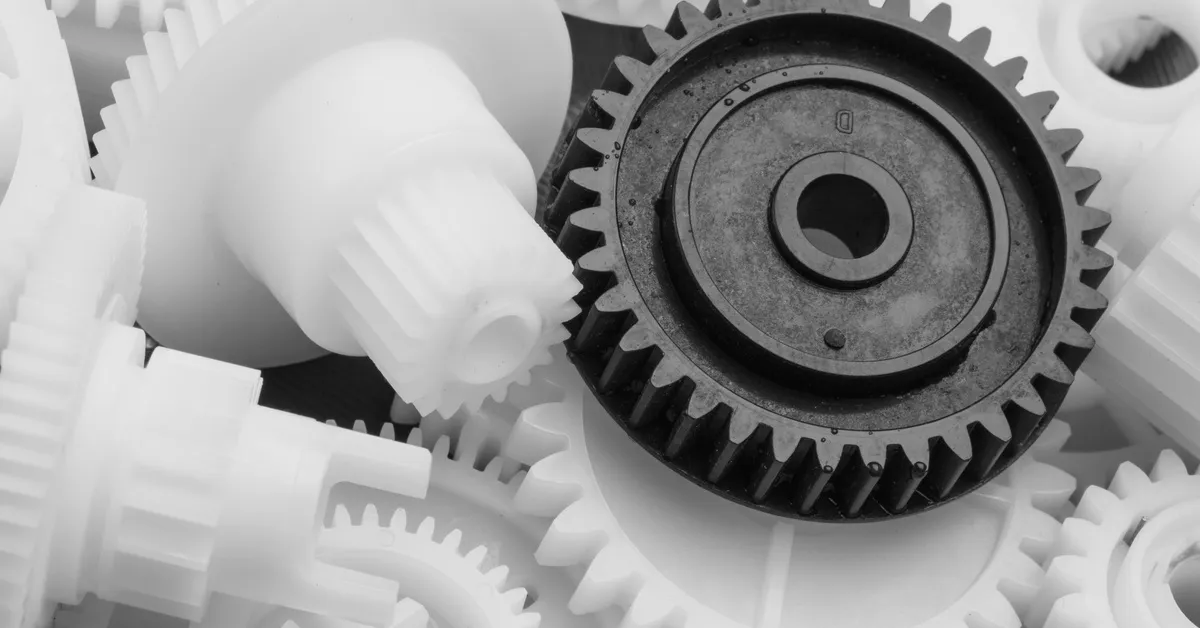
The versatility of mini horizontal machines makes them indispensable across various sectors. They are extensively used for prototyping, allowing engineers to test form, fit, and function with production-grade materials quickly. Small-batch manufacturing for components like electronic housings, automotive interior parts, medical device components, and consumer goods is another major application. Furthermore, they serve educational purposes in technical institutes and support R&D for material testing and process optimization.
Critical Technical Specifications and Selection Criteria
Selecting the right machine requires careful consideration of several technical parameters. The table below outlines the core specifications and their implications for your production needs.
| Specification | Typical Range for Mini Machines | Importance & Impact |
|---|---|---|
| Clamping Force (Ton) | 5 - 150 Tons | Determines the size of the mold and the projected area of the part that can be produced. Higher force prevents mold flash. |
| Shot Weight (oz/g) | 0.5 - 30 oz / 15 - 850 g | The maximum weight of plastic the machine can inject per cycle, defining the physical size limit of the part. |
| Screw Diameter (mm) | 14 - 45 mm | Affects plasticization rate and injection pressure. A smaller diameter provides higher pressure for thin-walled parts. |
| Machine Dimensions (LxWxH) | Compact, often under 3m x 1.5m | Critical for fitting into limited spaces like labs, workshops, or small factories. |
| Control System | PLC-based with Touchscreen HMI | Enables precise control over temperature, pressure, speed, and timing for repeatable quality and process monitoring. |
Material Compatibility
Most mini horizontal machines are versatile and can process a wide range of thermoplastics, including ABS, PP, PE, PS, Nylon, and engineering plastics like POM and PC. The key is matching the machine's plasticizing capability and barrel/screw configuration to the specific material's melting temperature and viscosity.
Benefits Driving Adoption
The rise of these machines is fueled by a compelling set of advantages. Their low initial investment and operational cost lower the barrier to entry for plastic part manufacturing. Space efficiency allows them to be installed in non-traditional manufacturing environments. They offer unparalleled flexibility for short runs, eliminating the need for expensive tooling commitments for large volumes. Furthermore, they enable rapid prototyping and product development cycles, accelerating time-to-market. Modern units are also designed for ease of operation and maintenance, often requiring minimal specialized training.
Future Trends and Technological Integration
The future of mini horizontal injection molding is intertwined with Industry 4.0. We are witnessing increased integration of IoT sensors for real-time monitoring of machine health and process parameters. Automation integration, such as robotic arms for part removal and conveyor systems, is becoming more accessible for these compact machines. Additionally, advancements in energy-efficient drives and heating systems are reducing their environmental footprint and operating costs. The development of hybrid machines combining injection molding with 3D printing-like flexibility for insert molding is also on the horizon.
Conclusion
The mini horizontal injection molding machine stands as a testament to the democratization of manufacturing technology. By offering industrial-grade plastic molding capabilities in a compact, affordable, and user-friendly package, it empowers innovators, small businesses, and large corporations alike to produce plastic components with agility and precision. As technology continues to advance, these machines will undoubtedly become even more intelligent, efficient, and integral to the distributed manufacturing ecosystems of the future.