
Maintenance and Troubleshooting for Micro Molding Machines
Micro injection molding machines are precision instruments used to manufacture tiny, high-tolerance plastic components for industries like medical devices, electronics, and micro-optics. Their operation demands exceptional accuracy, making regular maintenance and effective troubleshooting critical for ensuring product quality, minimizing downtime, and extending equipment lifespan. This guide covers core practices and common issues encountered in micro molding operations.
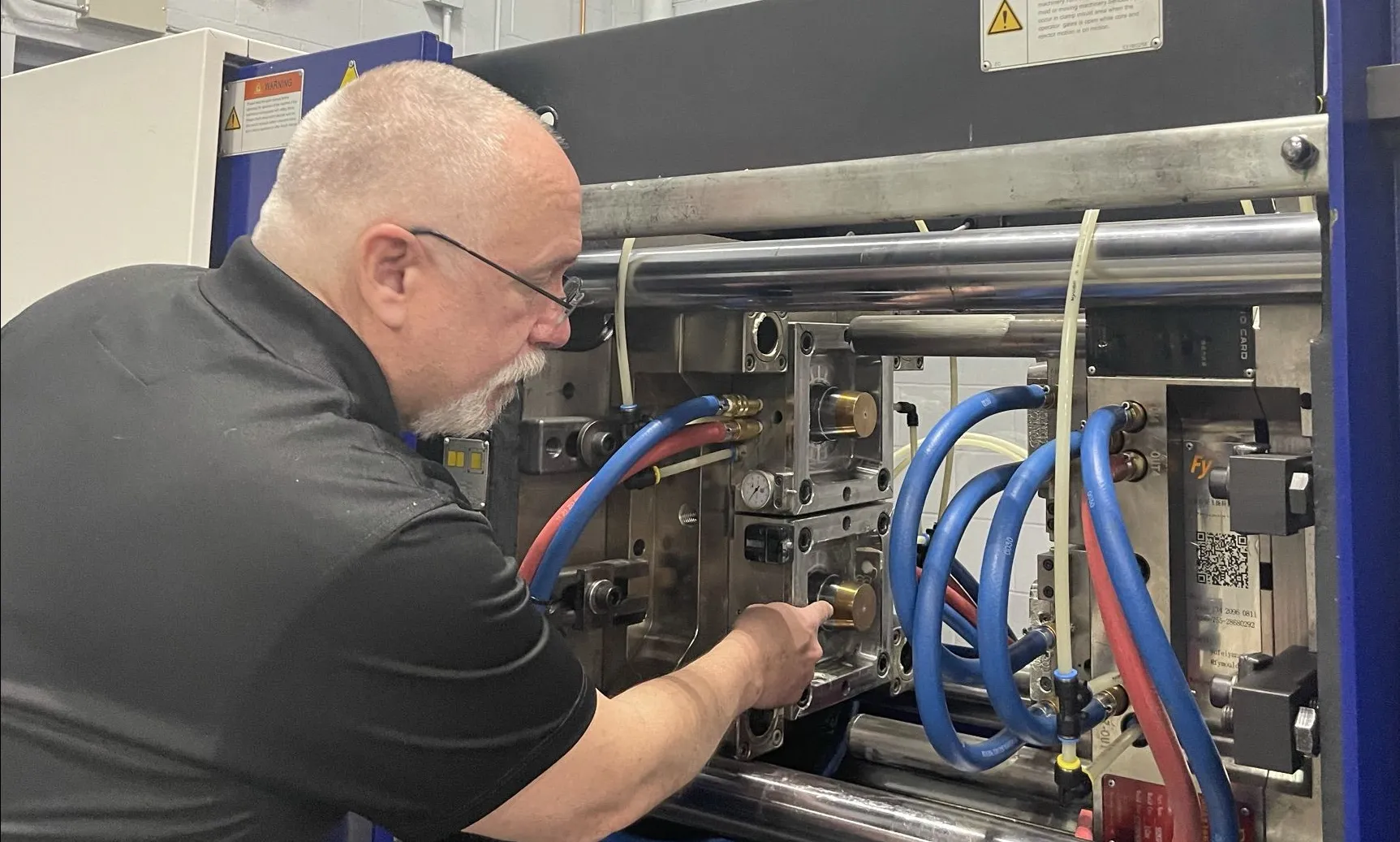
1. Preventive Maintenance Schedule
A structured preventive maintenance (PM) program is the foundation of reliable machine performance. Unlike standard machines, micro molders are more sensitive to wear and contamination.
Daily Maintenance Tasks
- Visual Inspection: Check for leaks (hydraulic, oil, water), loose connections, or abnormal noises.
- Cleaning: Wipe down the mold area, nozzle tip, and hopper to prevent material contamination. Use approved cleaning agents.
- Lubrication: Verify automatic lubricators on mold clamps and ejector rods. Manually lubricate guide rails as per manufacturer specs.
Weekly & Monthly Maintenance
| Component | Weekly Check | Monthly Action |
|---|---|---|
| Heater Bands & Thermocouples | Verify temperature consistency across zones. | Calibrate temperature controllers; check for loose connections. |
| Hydraulic System | Inspect fluid level and check for leaks. | Filter change; sample oil for viscosity and contamination. |
| Clamping Mechanism | Check parallelism and alignment. | Inspect tie bars for wear; re-torque if necessary. |
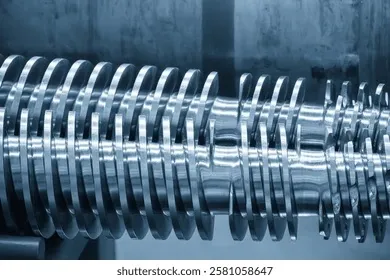
| Screw and Barrel | Listen for unusual sounds during rotation. | Perform a purge with cleaning compound; check screw wear. |
2. Common Troubleshooting Issues and Solutions
Even with excellent maintenance, issues can arise. Here are frequent problems specific to micro molding.
Short Shots (Incomplete Filling)
This is a prevalent issue where the micro-cavity isn't completely filled.
- Cause: Insufficient injection speed/pressure, low melt temperature, venting problems, or material moisture.
- Solution: Increase injection speed (critical for fast-setting micro parts), raise melt and mold temperatures slightly, verify vent channels are clear and adequate, and pre-dry resin thoroughly.
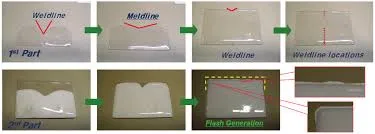
Flash (Excess Material in Parting Line)
Even microscopic flash is unacceptable in micro parts.
- Cause: Excessive injection pressure, worn mold, insufficient clamp force, or mold contamination.
- Solution: Reduce injection pressure in stages, inspect and repair mold wear (especially at parting line), ensure clamp tonnage is correctly set for the projected area, and clean mold faces.
Dimensional Inconsistency
Parts vary slightly but measurably from shot to shot.
- Cause: Unstable process parameters, inconsistent material viscosity, or temperature fluctuations.
- Solution: Implement closed-loop control for injection pressure and speed. Use a consistent material lot and ensure stable drying. Verify cooling water temperature and flow rate stability.
3. Special Considerations for Micro Molding
Material Handling and Drying
Micro molding often uses engineering resins (e.g., PEEK, LCP) that are highly hygroscopic. Even tiny amounts of moisture can cause defects.
- Use desiccant dryers with a dew point of -40°F/C or lower.
- Employ closed material conveying systems to prevent re-absorption of moisture.
- Store material in a controlled environment.
Mold Maintenance and Storage
The mold is the heart of micro molding. Cavities can be smaller than a grain of sand.
- Clean molds using ultrasonic cleaners with specialized, non-corrosive solvents.
- Apply rust preventative specifically designed for precision tooling before storage.
- Store in a dehumidified cabinet. Never use standard shop rags that can leave debris.
4. Advanced Troubleshooting: Process Monitoring
Leverage machine data for root-cause analysis.
| Monitoring Tool | What It Detects | Corrective Action |
|---|---|---|
| Cavity Pressure Sensors | Variations in fill profile, packing effectiveness. | Adjust switchover point (V/P) and packing pressure to match the ideal curve. |
| Mold Temperature Sensors | Hot spots or unstable cooling. | Adjust cooling line flow or address scaling/blockages in channels. |
| Screw Position & Velocity Profile | Inconsistent shot size or screw recovery. | Check for non-return valve wear, barrel temperature drift, or drive motor issues. |
By implementing a rigorous, documented maintenance routine and adopting a systematic approach to troubleshooting, operators can maximize the uptime, precision, and profitability of micro injection molding machines. The key is understanding that the tolerances are exponentially tighter, making cleanliness, stability, and attention to detail non-negotiable.