
Key Components of a Laminating Molding Machine
Laminating molding machines are essential in manufacturing industries for producing composite materials with enhanced strength, durability, and aesthetic appeal. These machines bond multiple layers of materials—such as plastics, metals, or fabrics—under controlled heat and pressure. Understanding the core components of a laminating molding machine is crucial for optimizing performance, ensuring product quality, and maintaining operational efficiency. This article explores the fundamental parts that constitute these sophisticated systems, detailing their functions and significance in the laminating process.
1. Heating System
The heating system is the heart of a laminating molding machine, responsible for raising the temperature of materials to a point where they become pliable and can bond effectively. Typically, this system employs electric heaters, infrared elements, or oil-based thermal units to generate consistent heat. Precision temperature control is vital, as it directly impacts the quality of the laminate—too little heat results in poor adhesion, while excessive heat can degrade materials. Modern machines integrate digital thermostats and sensors to maintain optimal temperature ranges, ensuring uniform heating across the material layers.
2. Pressure Application Unit
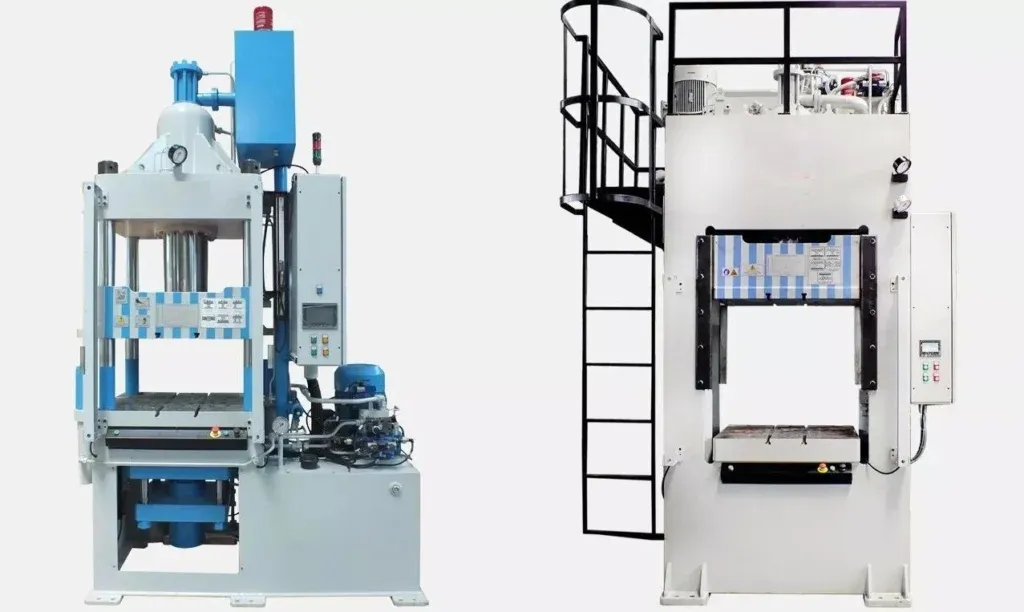
Applying uniform pressure is critical for eliminating air bubbles and ensuring tight bonding between layers. The pressure application unit consists of hydraulic or pneumatic cylinders that exert controlled force on the material stack. This component works in tandem with the heating system, as pressure must be maintained during the cooling phase to prevent delamination. Advanced machines feature programmable logic controllers (PLCs) to adjust pressure levels based on material type and thickness, enhancing consistency and reducing waste.
2.1 Hydraulic vs. Pneumatic Systems
Hydraulic systems are preferred for high-pressure applications due to their power and stability, while pneumatic systems offer faster response times and cleaner operation. The choice depends on the specific requirements of the laminating process, such as material sensitivity and production speed.
3. Cooling System
After heating and pressing, the cooling system solidifies the bonded layers to lock in the laminate's structure. This component typically uses water-cooled plates or air circulation fans to rapidly reduce temperature. Efficient cooling prevents warping or distortion, especially in thermoplastic-based laminates. The cooling rate is often adjustable to accommodate different material properties, with some machines incorporating multi-zone cooling for large or complex products.
4. Material Feeding and Alignment Mechanism
This mechanism ensures precise positioning of material layers before lamination. It includes rollers, conveyors, and sensors that align sheets to prevent misalignment, which can cause defects. Automated feeders are common in high-volume production, reducing manual intervention and improving accuracy. The system may also incorporate tension control devices to handle flexible materials like films or fabrics without stretching or tearing.
5. Control Panel and Software Interface
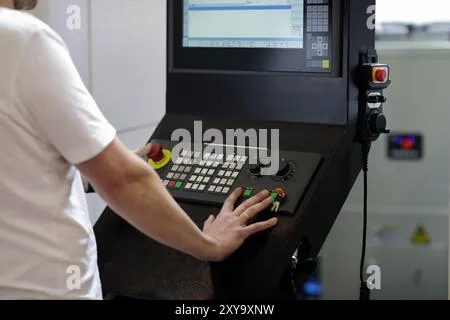
The control panel is the brain of the laminating molding machine, housing the interface for operators to set parameters such as temperature, pressure, and cycle time. Modern machines use touchscreen displays and PLC-based software to monitor real-time data, log production statistics, and diagnose issues. This component enables automation, repeatability, and integration with broader manufacturing systems, supporting Industry 4.0 initiatives.
Comparison of Component Functions
| Component | Primary Function | Key Features | Impact on Product Quality |
|---|---|---|---|
| Heating System | Activates adhesive properties in materials | Digital thermostats, uniform heat distribution | Determines bond strength and clarity |
| Pressure Application Unit | Compresses layers to remove air and ensure adhesion | Hydraulic/pneumatic cylinders, programmable pressure | Prevents bubbles and delamination |
| Cooling System | Solidifies the laminate structure | Adjustable cooling rates, multi-zone control | Reduces warping and enhances durability |
| Material Feeding Mechanism | Aligns and feeds material layers | Automated rollers, tension control | Ensures precision and minimizes waste |
| Control Panel | Monitors and adjusts machine parameters | Touchscreen interface, PLC integration | Enables consistency and automation |
6. Safety Features
Safety components are integral to protecting operators and equipment. These include emergency stop buttons, thermal overload protectors, and guards around moving parts. Modern laminating machines also feature sensors that halt operation if misalignment or overheating is detected, preventing accidents and material damage.
6.1 Importance of Regular Maintenance
To ensure longevity and performance, each component requires periodic maintenance—such as calibrating heaters, checking hydraulic fluids, and cleaning cooling ducts. Neglecting maintenance can lead to downtime, increased energy consumption, and inferior product quality.
Conclusion
The efficiency of a laminating molding machine hinges on the seamless interaction of its key components: heating, pressure, cooling, feeding, and control systems. Each part plays a specialized role in transforming raw materials into high-quality laminates. As technology advances, these components are becoming more automated and energy-efficient, driving innovation in industries ranging from packaging to automotive manufacturing. By understanding these core elements, operators can better optimize processes, troubleshoot issues, and invest in machines that meet their specific production needs.