
Key Applications of Ultrasonic Welding Machines in Modern Manufacturing
Ultrasonic welding has revolutionized assembly processes across numerous industries by providing a fast, clean, and reliable method for joining thermoplastic materials and certain metals. This solid-state welding technique uses high-frequency ultrasonic acoustic vibrations to create a solid-state weld between workpieces. The absence of consumables like adhesives or fasteners, combined with its speed and energy efficiency, has made it an indispensable technology in modern manufacturing lines. From delicate medical devices to robust automotive components, ultrasonic welding machines deliver precision and repeatability that traditional methods often cannot match.
Automotive Industry: Driving Efficiency and Lightweighting
The automotive sector is one of the largest adopters of ultrasonic welding technology. As the industry shifts towards electric vehicles and enhanced fuel efficiency, reducing weight while maintaining structural integrity is paramount. Ultrasonic welding is extensively used to assemble interior and exterior components without adding extra weight from adhesives or mechanical fasteners.
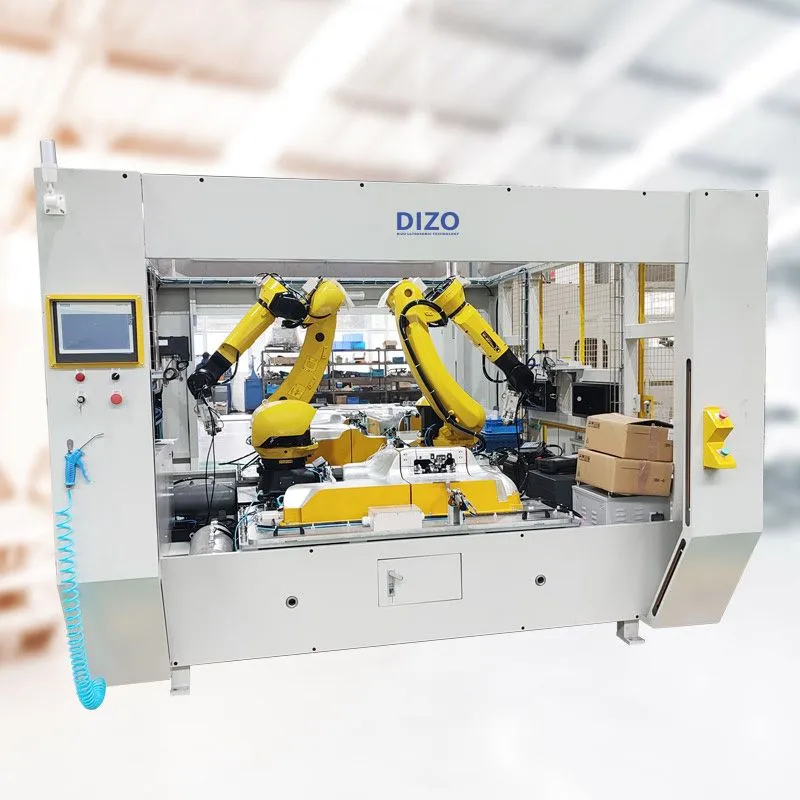
Ultrasonic welding of an automotive interior component on a high-speed production line.
Specific Automotive Applications
Key applications include the assembly of instrument panels, door panels, lamp assemblies, and fluid management systems. For instance, ultrasonic welding is ideal for hermetically sealing automotive lighting assemblies, ensuring they are waterproof and dustproof. It is also crucial in manufacturing lithium-ion battery packs for electric vehicles, where it is used to weld battery tabs and busbars. This process creates a low-resistance electrical connection that is vital for battery performance and safety.
Electronics and Electrical Manufacturing: Precision for Miniaturization
In the electronics industry, the demand for smaller, more powerful devices requires joining techniques that are precise, non-invasive, and heat-controlled. Ultrasonic welding meets these demands perfectly, as it generates minimal heat-affected zones, protecting sensitive electronic components.
Critical Electronic Components
It is the preferred method for splicing wires, sealing casings, and assembling connectors, switches, and sensors. A prominent example is the welding of micro-electrical contacts in smart devices and hearing aids. The process ensures a reliable electrical connection without melting or damaging the surrounding materials. Furthermore, it is used to hermetically seal electronic enclosures, protecting internal circuits from moisture and contaminants—a critical requirement for devices used in harsh environments.
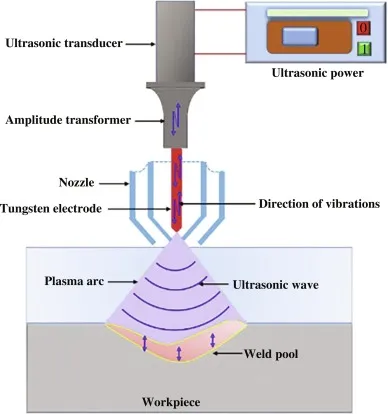
Precision ultrasonic welding of micro-electrical contacts on a sensor assembly.
Medical Device Production: Ensuring Sterility and Reliability
The medical industry has some of the strictest requirements for assembly processes. Components must be biocompatible, sterile, and exceptionally reliable. Ultrasonic welding is a clean-room compatible process that produces strong, hermetic seals without introducing foreign materials, making it ideal for medical applications.
Life-Saving Devices and Disposables
Common applications include the assembly of IV sets, catheters, blood filters, and diagnostic cartridges. For example, the welding of filter membranes to plastic housings in blood separation devices must be flawless to prevent failure. Ultrasonic welding is also extensively used to manufacture disposable medical products, such as face masks and respirators, where it creates strong bonds on non-woven fabrics at high speeds. The ability to weld through contaminants and create a particulate-free joint is a significant advantage in this sector.
Packaging Industry: Speed and Integrity for Consumer Goods
From food packaging to blister packs for pharmaceuticals, ultrasonic welding offers a fast and secure sealing method. It is particularly valuable for creating tamper-evident seals and for packaging sensitive products that require a barrier against gases and moisture.
High-speed ultrasonic sealing of flexible food packaging pouches.
The process is instantaneous and generates a clean seal without external heat, which is crucial for heat-sensitive contents. It is widely used to seal tubes for creams and gels, aseptic medical packaging, and child-resistant closures. The consistency and strength of the ultrasonic weld ensure package integrity throughout the supply chain.
Consumer Goods and Textiles: Bonding Versatility
Beyond rigid plastics, ultrasonic welding is also used to join synthetic textiles and films. This application is fundamental in the production of apparel, disposable hygiene products, and outdoor gear.
Apparel and Technical Textiles
In the textile industry, ultrasonic welding is used for cutting and sealing synthetic fabrics simultaneously, preventing fraying—a process known as ultrasonic cutting and sealing. It is used to attach logos, create seams in breathable waterproof garments, and assemble items like airbags and inflatable products. The bond is as strong as the base material and is completely waterproof, which is essential for performance wear and technical textiles.
Comparative Analysis of Ultrasonic Welding Applications
The following table summarizes the core applications, key benefits, and typical materials used across the major industries discussed.
| Industry | Primary Applications | Key Benefits | Common Materials Welded |
|---|---|---|---|
| Automotive | Interior trim, lights, battery packs, fluid containers | Lightweight, strong, hermetic seals, fast cycle times | ABS, Polypropylene, Nylon, Battery foils (Al/Cu) |
| Electronics | Wire splicing, sensor assembly, connector welding, case sealing | Precision, minimal thermal stress, reliable electrical contact | Thermoplastics, thin metal wires & contacts |
| Medical Devices | IV sets, filters, masks, diagnostic devices, catheters | Clean, particulate-free, hermetic, biocompatible, sterile process | Medical-grade PVC, Polycarbonate, Polypropylene |
| Packaging | Pouch sealing, blister packs, tube sealing, tamper-evident closures | High-speed, consistent seals, no external heat or adhesives | Multilayer films, laminates, foils |
| Consumer Goods / Textiles | Apparel seams, airbags, hygiene products, inflatables | Waterproof bonds, no thread needed, high-speed cutting/sealing | Polyester, Nylon, Non-woven fabrics, thermoplastic films |
Conclusion: The Future of Ultrasonic Welding
Ultrasonic welding machines have become a cornerstone of modern manufacturing due to their versatility, efficiency, and ability to meet stringent quality standards. As materials science advances and products become more complex, the applications for this technology will continue to expand. Integration with Industry 4.0 systems, including real-time monitoring and adaptive process control, will further enhance its precision and reliability. From enabling the electric vehicle revolution to ensuring the sterility of life-saving medical devices, ultrasonic welding is a key technology shaping the future of industrial production.
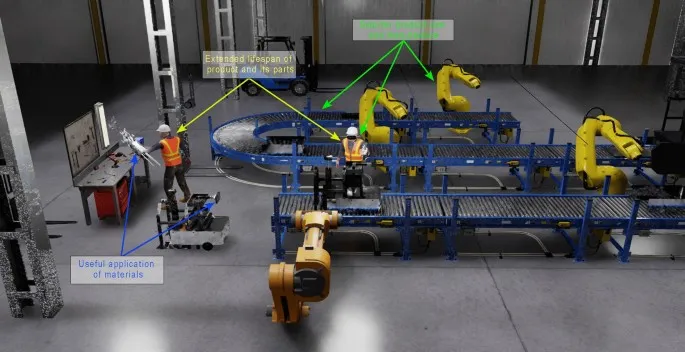
An advanced, automated manufacturing cell utilizing ultrasonic welding within an Industry 4.0 framework.