
Innovations in Materials for the In-Mold Decoration System
The In-Mold Decoration (IMD) system has revolutionized the manufacturing industry by integrating decoration directly into the molding process, creating durable, high-quality finishes on plastic components. This technology, which combines film insertion, molding, and finishing in a single step, relies heavily on material science advancements. Recent innovations in substrate films, inks, adhesives, and polymer matrices are pushing the boundaries of design, functionality, and sustainability, making IMD a cornerstone for industries ranging from automotive and consumer electronics to medical devices and home appliances.
Advanced Substrate Films: The Foundation of IMD
At the core of the IMD process are the substrate films, which carry the decorative graphics and functional layers. Traditional polyester (PET) and polycarbonate (PC) films are being enhanced with novel properties to meet evolving demands.
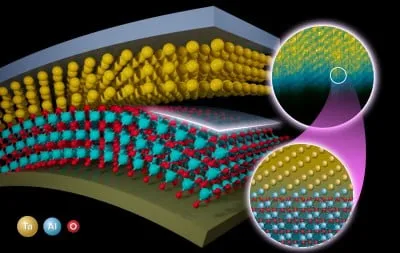
Figure 1: Advanced multi-layer substrate films for IMD applications.
Developments include ultra-thin, high-temperature-resistant films that can withstand the harsh conditions of injection molding without warping or degrading. These films often incorporate nano-coatings for improved scratch resistance and self-healing capabilities. Furthermore, the integration of optically clear films with enhanced light diffusion properties enables sophisticated backlighting effects in automotive dashboards and electronic displays. The advent of biodegradable and bio-based films is also gaining traction, aligning IMD with circular economy principles.
Functional Inks and Coatings
Inks and coatings applied to these films have seen remarkable innovation. Conductive inks based on silver nanowires or graphene are now used to create touch-sensitive surfaces directly on molded parts, eliminating the need for separate capacitive layers. Similarly, phase-change materials in inks can provide thermal management by absorbing and releasing heat, crucial for LED components.
Polymer Matrix Compatibility and Performance
The success of IMD depends on the seamless bonding between the decorated film and the injected polymer. Material scientists are engineering specialized polymer blends to enhance adhesion and performance.
| Polymer Type | Key Innovation | Primary Application | Benefit |
|---|---|---|---|
| Modified Polycarbonate (PC) | Enhanced flowability and adhesion promoters | Automotive interiors, electronic housings | Reduced warpage, excellent bond strength |
| Bio-based PLA Blends | Compatibility with biodegradable films | Sustainable packaging, consumer goods | Eco-friendly, good mechanical properties |
| Thermoplastic Polyolefin (TPO) | Low-surface-energy treatments | Exterior automotive trims | UV resistance, durability in harsh environments |
| High-Temperature Nylon (PA) | Nanofiller reinforcement | Under-hood components, connectors | Thermal stability, chemical resistance |
These tailored polymers ensure that the decorative film does not delaminate, bubble, or fade over the product's lifecycle, even under stress, heat, or exposure to chemicals.
Adhesive and Interlayer Technologies
Adhesives play a critical role in bonding the film to the molten plastic. Innovations here focus on creating bonds that are not only strong but also flexible and resistant to environmental factors.
Figure 2: Cross-section diagram of an IMD part showing critical adhesive interface.
New generations of pressure-sensitive and heat-activated adhesives are formulated to cure rapidly during the molding cycle, forming a permanent, monolithic structure. Some advanced systems use silane-based coupling agents that create covalent bonds between the film and polymer, significantly improving peel strength. Additionally, optically clear adhesives (OCA) are essential for applications requiring pristine transparency, such as lens covers or display panels.
Smart and Responsive Materials
A frontier of IMD material innovation is the incorporation of smart functionalities. Films embedded with micro-encapsulated thermochromic or photochromic inks can change color with temperature or light exposure. Similarly, the integration of thin-film electronics, such as OLEDs or sensors, into the IMD film stack is creating "living surfaces" for interactive consumer products and automotive controls.
Sustainability-Driven Material Innovations
Environmental considerations are shaping material development for IMD. The industry is moving towards mono-material structures, where the film and substrate polymer are of the same chemical family to facilitate recycling. Water-based and UV-curable inks are replacing solvent-based systems, reducing VOC emissions. Furthermore, the use of recycled content in both films and molding resins is being optimized without compromising aesthetic or mechanical performance.
Figure 3: Traditional and new sustainable material alternatives for IMD.
Future Outlook and Challenges
The future of IMD materials lies in multifunctionality and intelligence. Research is ongoing into films with integrated energy harvesting capabilities (e.g., piezoelectric layers) and antimicrobial surfaces for medical applications. The main challenges remain cost-effective scaling of these advanced materials and ensuring their performance in high-volume production environments. As material science continues to converge with digital printing and nanotechnology, the IMD system is poised to become even more integral to creating the next generation of smart, durable, and sustainable products.
In conclusion, the innovations in materials for the In-Mold Decoration system are not merely incremental improvements but transformative leaps. They enable unprecedented design freedom, enhanced product durability, and new interactive features, all while addressing the pressing need for sustainable manufacturing. The synergy between novel films, smart inks, compatible polymers, and advanced adhesives is redefining what is possible in molded part decoration, setting new standards across global industries.