
Hybrid Injection Molding Machines: The Future of Precision Manufacturing
In the dynamic world of plastic manufacturing, injection molding remains a cornerstone process for producing high-volume, precision components. As industries demand greater efficiency, accuracy, and sustainability, the technology behind injection molding has evolved significantly. Among the most impactful advancements is the development of the hybrid injection molding machine. Combining the best features of hydraulic and electric systems, hybrid machines offer a versatile solution that addresses the limitations of traditional methods. This article delves into the technology, benefits, applications, and future trends of hybrid injection molding machines, highlighting their role in shaping the future of manufacturing.
Understanding Hybrid Injection Molding Technology
Hybrid injection molding machines integrate hydraulic and electric drive systems to optimize performance. Unlike fully hydraulic machines, which rely on fluid power for all movements, or all-electric machines, which use servo motors for precision, hybrids selectively apply each technology where it excels. Typically, the clamping unit and injection unit are powered electrically for accuracy and speed, while auxiliary functions like mold movement and ejection use hydraulic power for robustness and cost-effectiveness.
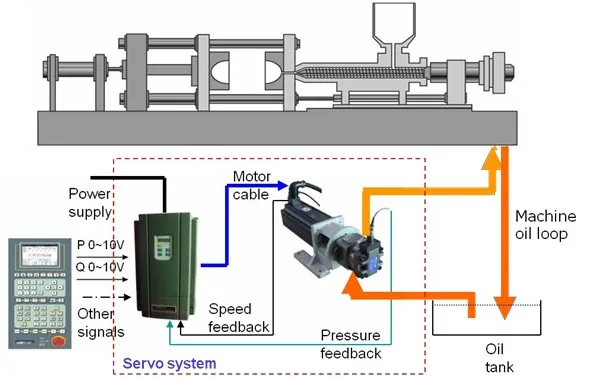
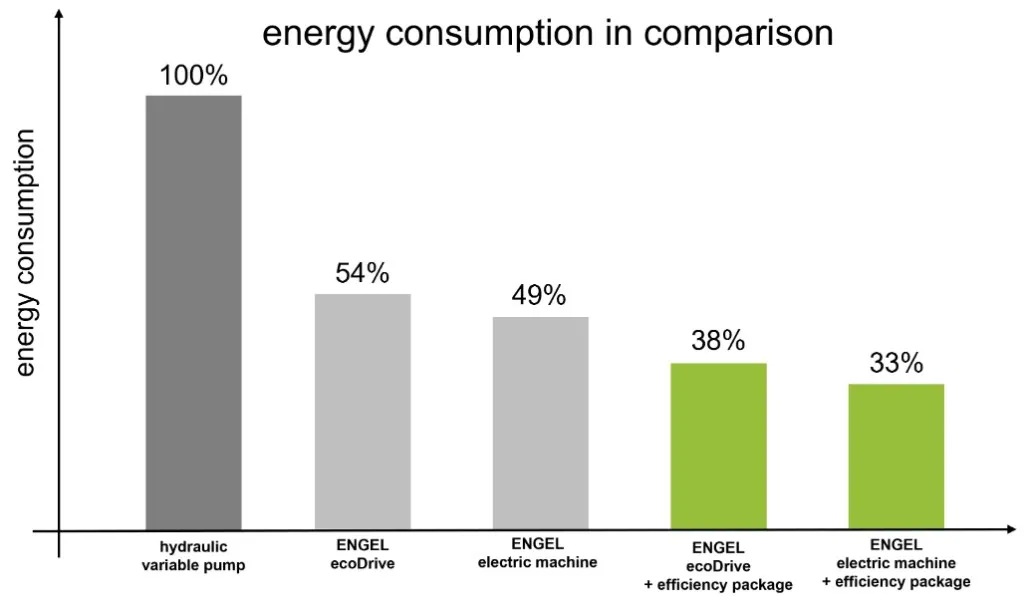
This synergy allows hybrid machines to achieve high energy efficiency—often reducing consumption by 40-60% compared to hydraulic models—while maintaining the force and durability needed for demanding applications. The control systems in hybrids are advanced, enabling precise regulation of pressure, temperature, and cycle times, which is critical for producing consistent, high-quality parts.
Key Components of a Hybrid System
- Electric Servo Motors: Drive the screw rotation and injection process, offering precise control over speed and position.
- Hydraulic Pumps: Provide power for clamping and ejection, ensuring high force output.
- Integrated Control Unit: Coordinates both systems, optimizing performance based on real-time data.
- Energy Recovery Systems: Capture and reuse energy during deceleration, enhancing efficiency.
Advantages of Hybrid Injection Molding Machines
Hybrid machines offer a balanced approach, making them suitable for a wide range of applications. Below are their primary benefits:
| Advantage | Description | Impact on Manufacturing |
|---|---|---|
| Energy Efficiency | Combines electric precision with hydraulic power, reducing overall energy use. | Lowers operational costs and environmental footprint. |
| High Precision and Repeatability | Electric servo motors enable accurate control over injection speed and pressure. | Produces consistent, high-quality parts with minimal waste. |
| Versatility | Adaptable to various materials (e.g., thermoplastics, elastomers) and part sizes. | Ideal for diverse industries, from automotive to medical devices. |
| Reduced Noise and Heat | Electric systems operate more quietly and generate less heat than hydraulic ones. | Improves workplace conditions and reduces cooling needs. |
| Cost-Effectiveness | Lower energy and maintenance costs compared to fully hydraulic machines. | Offers a faster return on investment for manufacturers. |
Applications in Industry
Hybrid injection molding machines are used across multiple sectors due to their flexibility and efficiency. In the automotive industry, they produce lightweight components like dashboards and bumpers, where precision and durability are crucial. The medical device sector relies on hybrids for manufacturing sterile, high-tolerance items such as syringes and implant casings, benefiting from the machines' clean operation and accuracy.
Consumer electronics also leverage hybrid technology for creating intricate parts like smartphone cases and connectors, which require fine details and consistent quality. Additionally, packaging industries use these machines to produce containers and lids at high speeds while minimizing material waste. The adaptability of hybrid systems makes them a preferred choice for manufacturers seeking to optimize production lines.
Case Study: Automotive Component Production
A leading automotive supplier implemented hybrid injection molding machines to produce door panels. By switching from hydraulic to hybrid systems, they achieved a 50% reduction in energy consumption and a 20% increase in production speed, while maintaining strict tolerances for safety-critical parts.
Future Trends and Innovations
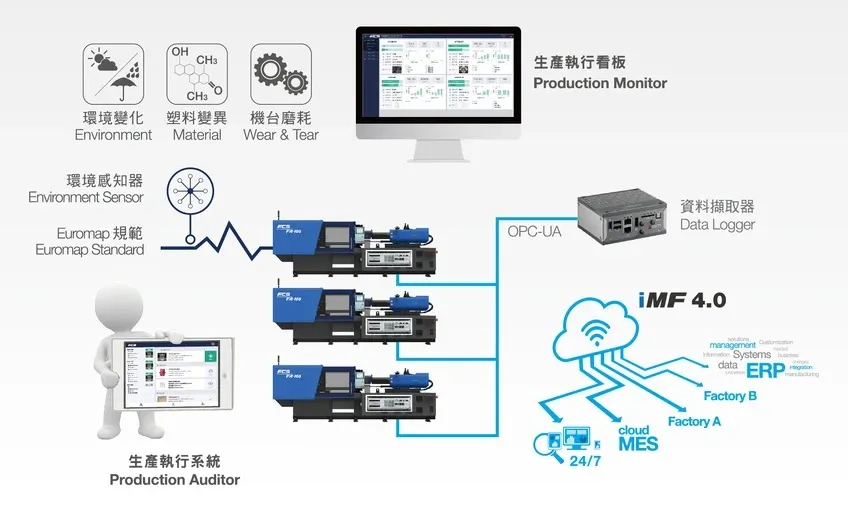
The future of hybrid injection molding is closely tied to Industry 4.0 and smart manufacturing. Advances in IoT (Internet of Things) enable real-time monitoring and predictive maintenance, reducing downtime. Machine learning algorithms can optimize cycle parameters automatically, further enhancing efficiency. Additionally, the development of more sustainable materials, such as bioplastics, aligns with the eco-friendly nature of hybrid machines.
Another trend is the integration of additive manufacturing techniques with hybrid injection molding, allowing for rapid prototyping and customized production. As global emphasis on circular economy grows, hybrid machines are expected to incorporate more energy recovery and recycling features, solidifying their role in green manufacturing.
Conclusion
Hybrid injection molding machines represent a significant leap forward in manufacturing technology. By merging the strengths of hydraulic and electric systems, they deliver unparalleled efficiency, precision, and versatility. As industries continue to prioritize sustainability and automation, hybrids are poised to become the standard for injection molding processes. Investing in this technology not only boosts productivity but also supports long-term environmental goals, making it a smart choice for forward-thinking manufacturers.