
Horizontal injection molding machines are the backbone of high-volume plastic manufacturing. Their design, with a horizontal clamping and injection axis, offers stability, precision, and ease of automation. However, simply owning this advanced machinery is not enough. To achieve peak performance and maximize return on investment, manufacturers must implement a holistic strategy for optimization. This article explores key methodologies to enhance production efficiency, reduce cycle times, minimize waste, and ensure consistent quality.
1. Strategic Machine Selection and Setup
The foundation of efficiency is laid before production even begins. Selecting the right machine for the specific part is critical.
Clamping Force and Shot Capacity Matching
Using a machine with excessive clamping force wastes energy, while an undersized machine risks flash and defects. The shot capacity should typically be between 40-80% of the machine's maximum to ensure optimal plasticization and consistent melt temperature.
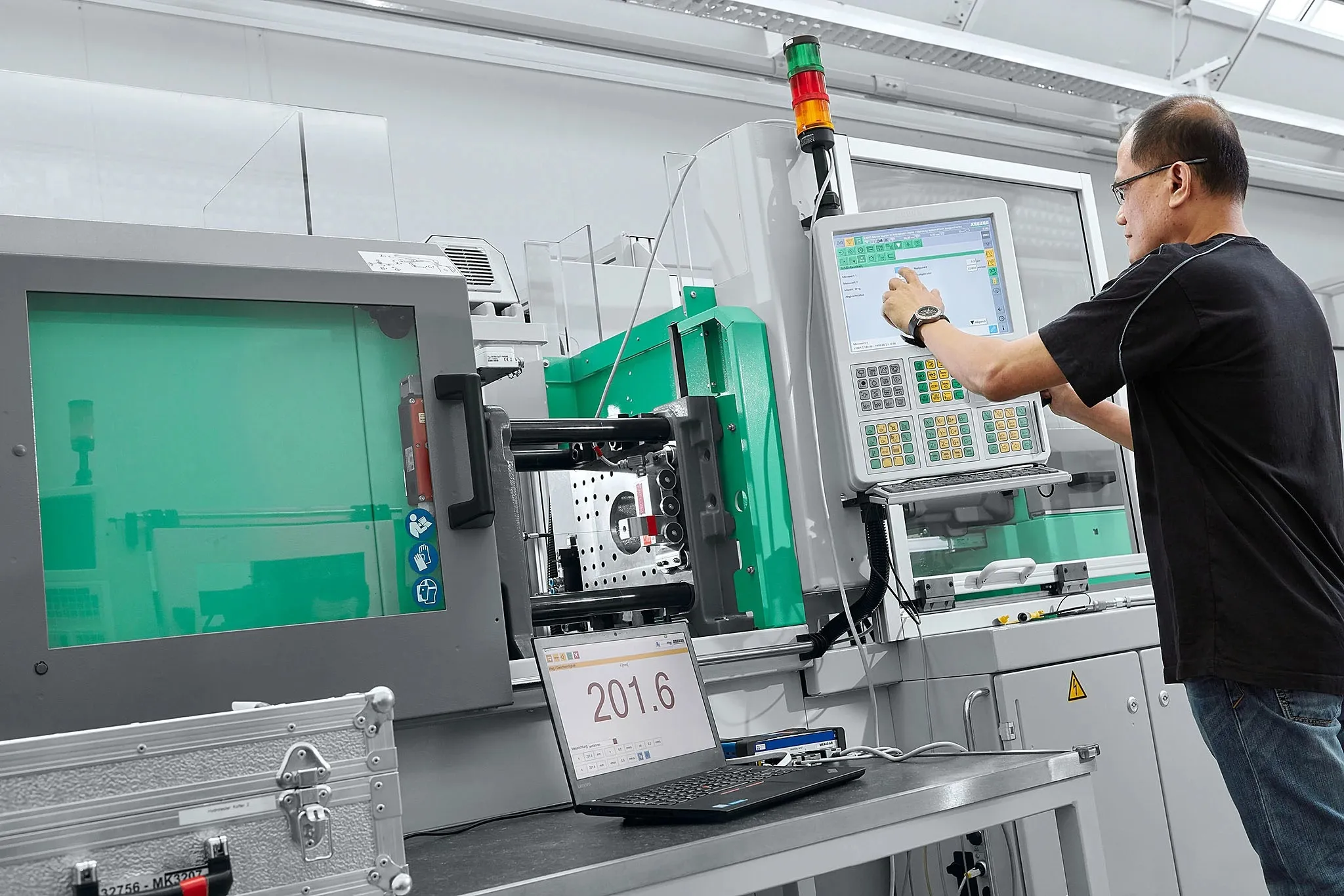
Proper installation and leveling are also crucial to prevent uneven wear on tie-bars and platens, which can lead to long-term precision issues.
2. Advanced Process Parameter Optimization
Fine-tuning the injection molding cycle parameters is where significant efficiency gains are realized.
| Process Phase | Key Parameters | Optimization Goal | Efficiency Impact |
|---|---|---|---|
| Injection | Injection Speed, Pressure, V/P Switchover | Fill cavity optimally without stress or flash | High - Reduces defects and hold time |
| Cooling | Cooling Time, Coolant Temperature/Flow | Minimize time to safe ejection temperature | Highest - Often the longest cycle segment |
| Plasticizing | Back Pressure, Screw Speed, Barrel Temperatures | Prepare homogeneous melt during cooling phase | Medium - Affects material quality and energy use |
| Mold Opening/Ejection | Speeds, Strokes, Robot Integration | Minimize non-productive time | Medium - Directly reduces cycle time |
Implementing Scientific Molding Principles
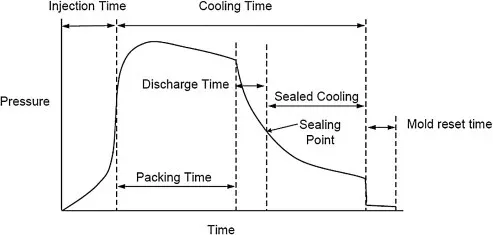
Adopting a decoupled or scientific molding approach separates the filling, packing, and cooling phases. By using cavity pressure or temperature sensors to determine the precise moment the gate freezes (instead of a fixed timer), packing time and pressure can be minimized, significantly reducing cycle time and part stress.
3. Mold Design and Maintenance Excellence
The mold is the heart of the process. An efficient mold directly translates to an efficient machine.
Conformal Cooling and Thermal Management
Utilizing conformal cooling channels that follow the contour of the part can reduce cooling time by up to 40% compared to traditional drilled channels. Consistent mold temperature control via high-performance thermolators ensures uniform part quality and faster cycling.
Preventive Maintenance Schedule
Downtime is the enemy of efficiency. A rigorous preventive maintenance (PM) program for the mold and machine is non-negotiable.
4. Integration of Automation and Industry 4.0
Modern horizontal machines are built for automation. Integrating robotic part removal, sprue pickers, and vision inspection systems eliminates human variability and allows the machine to run continuously during lights-out shifts.
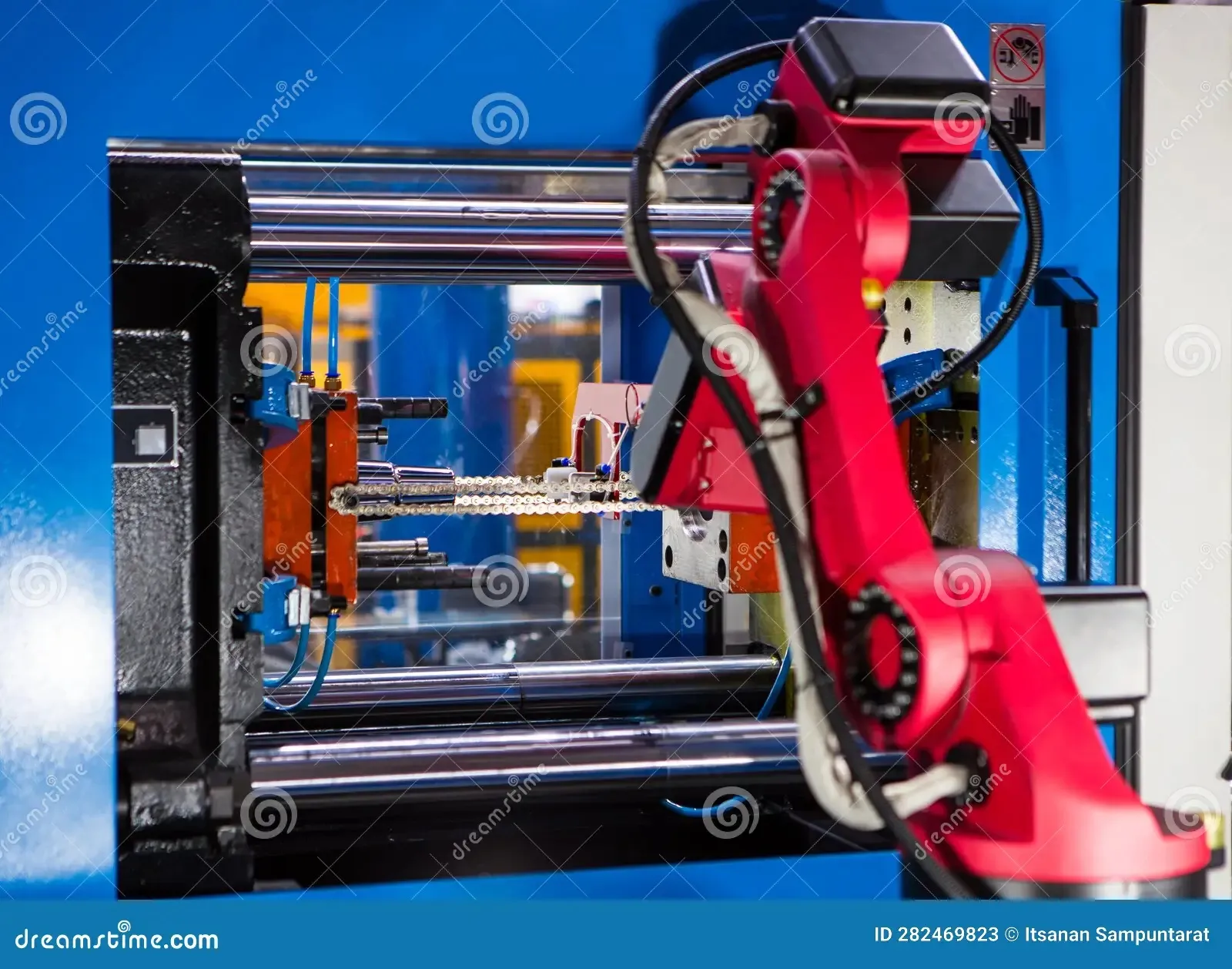
Furthermore, connecting machines to a Manufacturing Execution System (MES) or IIoT platform enables real-time monitoring of Key Performance Indicators (KPIs) like Overall Equipment Effectiveness (OEE), cycle time, and scrap rates. Predictive analytics can alert operators to potential issues before they cause downtime.
5. Material and Energy Efficiency
Optimization extends beyond speed to resource management.
Material Handling and Drying
Centralized drying systems with closed-loop conveying prevent moisture absorption, reducing material-related defects and waste. Using regrind in a controlled, consistent ratio can lower material costs without compromising quality.
Energy-Saving Technologies
Invest in machines with servo-electric or hybrid drives for significant energy savings, especially during non-peak phases of the cycle. Also, utilize machine features like standby mode for heaters and pumps during short pauses.
Optimizing production efficiency with horizontal injection molding machines is a multi-dimensional endeavor. It requires a synergistic focus on precise machine setup, scientific process control, superior mold technology, seamless automation, and sustainable resource use. By systematically addressing each of these areas, manufacturers can dramatically increase output, improve product quality, reduce operational costs, and strengthen their competitive edge in the global marketplace. Continuous monitoring and a culture of continuous improvement are essential to sustaining these efficiency gains over the long term.