How Much Does a Blown Film Line Cost? A Comprehensive Guide
Investing in a blown film extrusion line is a significant decision for any plastic film manufacturer. The cost is not a single figure but a range influenced by numerous technical, operational, and market factors. This guide provides a detailed breakdown to help you understand the financial commitment required, from entry-level setups to high-output, sophisticated systems.
Primary Factors Determining Blown Film Line Pricing
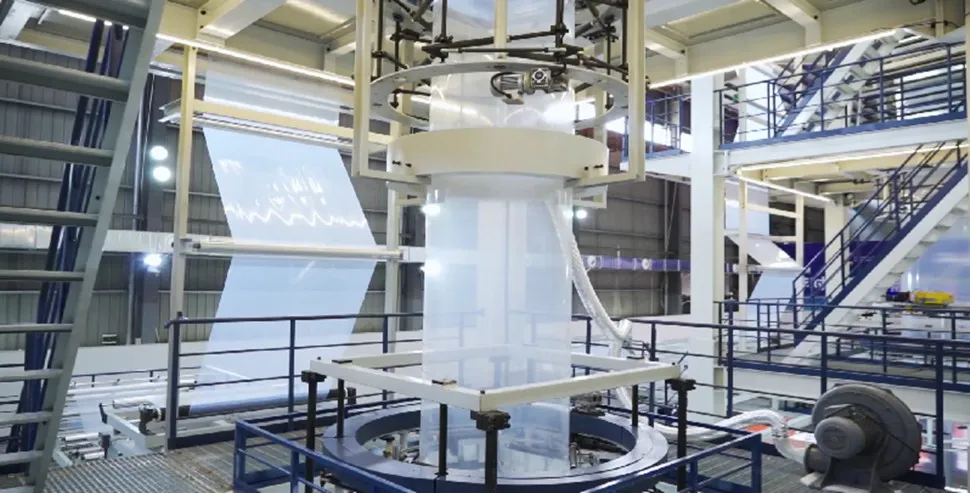
The price of a blown film line varies dramatically based on its configuration, capabilities, and origin. Understanding these core factors is essential for accurate budgeting.
1. Line Output and Capacity
Output, measured in kilograms or pounds per hour (kg/hr or lbs/hr), is the most direct cost driver. Higher output requires more powerful extruders, larger dies, and sturdier downstream equipment.
2. Number of Layers (Monolayer vs. Multilayer)
A basic monolayer line is the most affordable. Co-extrusion lines for producing multilayer barrier films (3-layer, 5-layer, 7-layer, or even 9-layer) involve multiple extruders, a complex feedblock/die, and advanced control systems, multiplying the cost.
3. Equipment Origin and Brand
Manufacturing origin significantly impacts price. Lines are generally categorized into three tiers with corresponding cost implications.
| Origin Tier | Typical Characteristics | Relative Cost Range |
|---|---|---|
| European/North American (Premium) | High precision, advanced automation, superior durability, extensive after-sales support (e.g., Windmöller & Hölscher, Macchi, Davis-Standard). | Very High |
| Asian (Mid-Range & Value) | Good performance, improving technology, competitive pricing. Includes established Taiwanese/Korean brands and higher-end Chinese manufacturers. | Medium to High |
| Economy (Entry-Level) | Basic functionality, lower automation, suitable for standard applications. Often sourced from smaller regional manufacturers. | Low to Medium |
4. Level of Automation and Control
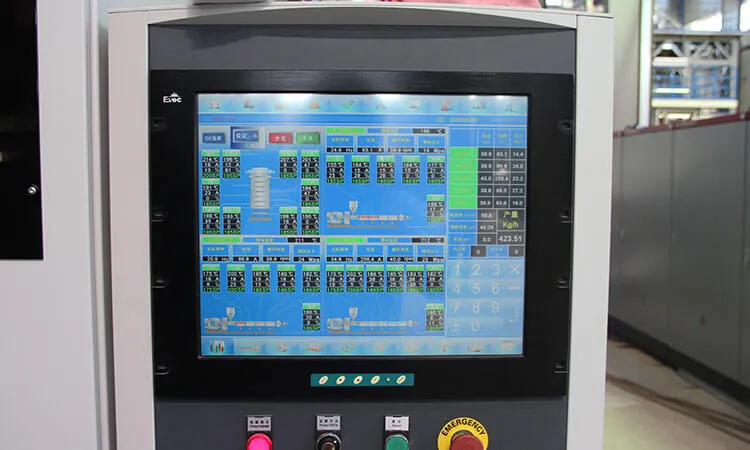
Manual lines with basic controls cost less. Lines with full PLC automation, integrated thickness gauging with automatic die control (Auto Die), precision tension control, and Industry 4.0 connectivity command a premium.
Detailed Cost Breakdown by Line Type
The following table provides estimated price ranges for different types of blown film lines. These are broad estimates; exact quotes depend on specifications.
| Blown Film Line Type | Typical Output Range | Key Applications | Estimated Cost Range (USD) |
|---|---|---|---|
| Basic Monolayer Line | 50 - 200 kg/hr | Carry bags, simple packaging, shrink film. | $80,000 - $250,000 |
| High-Performance Monolayer Line | 200 - 500 kg/hr | Stretch film, construction film, larger bags. | $250,000 - $600,000 |
| 3-Layer Co-extrusion Line | 150 - 400 kg/hr | Food packaging, laminated substrates, improved strength films. | $350,000 - $900,000+ |
| 5-Layer / 7-Layer Barrier Line | 200 - 500 kg/hr | High-barrier food packaging, medical packaging, technical films. | $800,000 - $2.5+ Million |
| Specialty Lines (PIB Stretch, HDPE, etc.) | Varies | High-end stretch film, grocery sacks, geomembranes. | $500,000 - $2+ Million |
Beyond the Machine: Additional Investment Costs
The capital cost of the line itself is only part of the total investment. Failing to account for these additional expenses can derail a project.
1. Auxiliary Equipment
Essential supporting systems include:
- Raw Material Handling: Silos, dryers, loaders, blenders.
- Chillers and Cooling Systems: For the extruder barrel and internal bubble cooling (IBC).
- Compressed Air System: For bubble stabilization and pneumatic controls.
- Testing Equipment: For quality control (thickness tester, tensile tester, seal strength tester).
2. Installation, Commissioning, and Training
Costs for foundation work, electrical and utility hookups, machine assembly, startup, and operator training can add 10-20% to the equipment price.
3. Tooling (Dies and Winders)
Specific die sizes for different film widths and layflat are often extra. Custom winder configurations (surface, center, gap) also add cost.
4. Ongoing Operational Costs
The Total Cost of Ownership (TCO) includes raw material resin (the largest ongoing cost), energy consumption, maintenance, labor, and spare parts.
Key Considerations for Your Investment
Making the right choice involves more than comparing price tags.
Summary of Decision Factors
- Product Portfolio: Match the line's capabilities to the films you produce now and plan to make in the next 5-10 years.
- Return on Investment (ROI): Calculate based on production output, film value, and efficiency gains from automation.
- Supplier Reliability: Evaluate technical support, spare parts availability, and service network.
- New vs. Used Equipment: Used lines offer lower entry cost but come with risks like hidden wear, outdated technology, and limited warranty.
Conclusion
So, how much does a blown film line cost? The answer spans from under $100,000 for a basic, small-scale monolayer line to over $2.5 million for a fully automated, multi-layer barrier film system. Your final investment should be dictated by a clear understanding of your technical requirements, target markets, and a thorough Total Cost of Ownership analysis. Prioritize value—the optimal combination of performance, reliability, and support—over the lowest initial price to ensure long-term profitability and competitiveness in the dynamic plastics film industry.