
In the realm of plastic injection molding, efficiency, precision, and consistency are paramount. Hot runner systems have revolutionized the industry by delivering molten plastic directly to the mold cavities, eliminating material waste associated with cold runners and significantly improving cycle times. At the heart of these sophisticated systems lie several critical components, each playing a vital role in ensuring optimal performance. This article provides an in-depth exploration of the core parts that constitute a hot runner system.
1. The Manifold: The Central Distribution Network
The manifold is the core distribution block of the hot runner system. Its primary function is to receive molten plastic from the machine nozzle and distribute it evenly through internal channels to the various drop locations. Manifolds are precision-engineered from high-strength, thermally conductive tool steels to withstand high temperatures and pressures. Proper thermal management is crucial here; the manifold must maintain a uniform temperature to prevent material degradation or freezing.
2. Hot Runner Nozzles: The Final Delivery Conduits
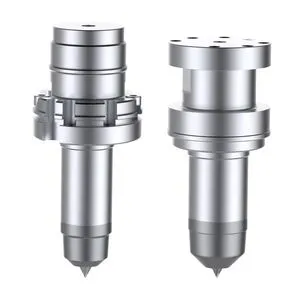
Nozzles are the components that extend from the manifold into the mold, delivering the melt directly to the gate of each cavity. They come in various designs—open, valve-gated, or thermal-gated—to suit different applications. Each nozzle contains its own heating element and precise temperature control zone to keep the plastic at the perfect viscosity until it enters the mold.
2.1 Heater Bands and Cartridge Heaters
Embedded within or wrapped around the nozzles and manifold, these heating elements are responsible for maintaining the required temperature. Cartridge heaters are commonly used in nozzles for compact, focused heating, while coil or band heaters are often used on manifolds. Their failure is a common cause of system downtime, making quality and correct watt density critical.
3. Temperature Controllers: The Brain of the System
Precise thermal regulation is non-negotiable. Temperature controllers manage the power supplied to each heating zone (manifold and individual nozzles). Modern digital controllers offer closed-loop control with thermocouple feedback, ensuring temperature stability within ±1°C. This precision prevents issues like drooling, stringing, or short shots.
4. Thermocouples: The Sensory Feedback System
These are temperature sensors installed in close proximity to the melt channels in the manifold and nozzles. They provide real-time temperature data to the controllers, enabling precise and responsive adjustments. Their accurate placement is essential for reliable system performance.
5. Valve Gate Systems (If Applicable)
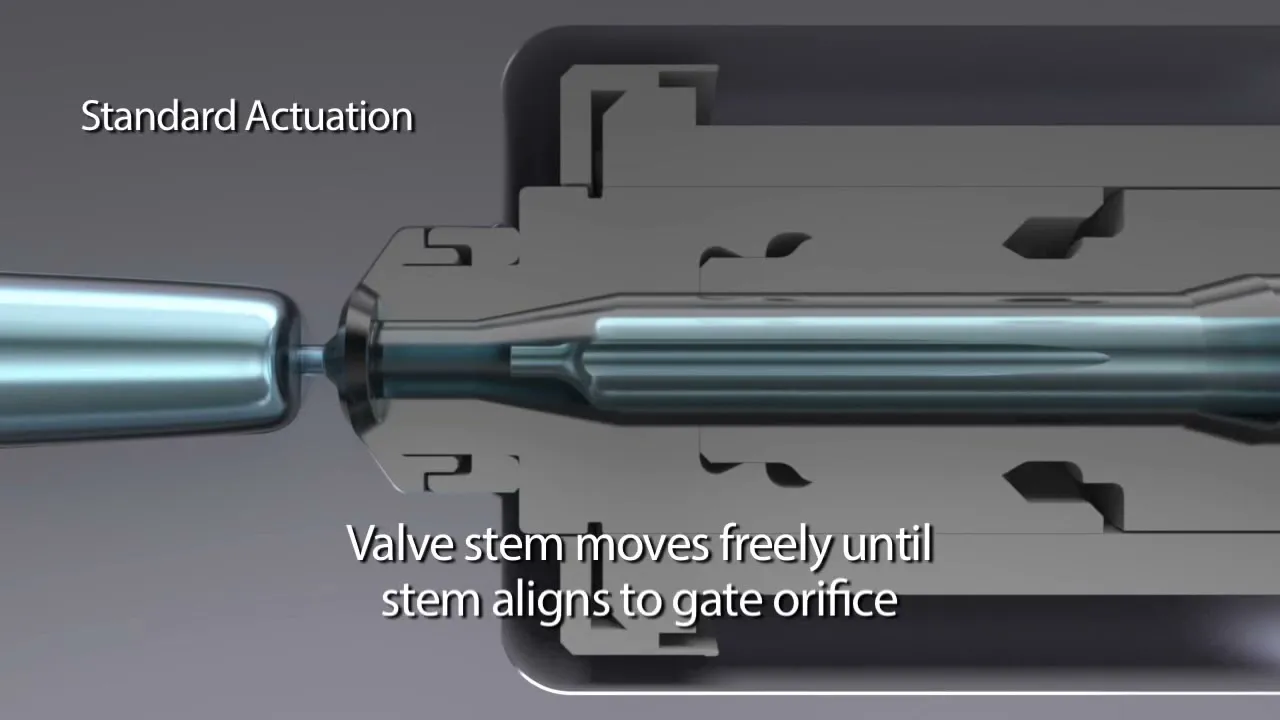
For high-precision parts or materials sensitive to gate vestige, valve gate systems are employed. This subsystem includes:
- Valve Stems/Pins: Mechanically open and close the gate.
- Actuators: Typically pneumatic or hydraulic cylinders that control the movement of the valve stems.
- Sequencing Controls: Electronics that time the opening and closing of each valve gate independently.
6. System Plates and Insulation
Robust backing plates and spacer plates are used to assemble and align the entire hot runner system within the mold. Thermal insulation plates or air gaps are strategically placed between the hot manifold and the cooler mold plates to minimize heat transfer, protecting the mold and reducing energy consumption.
Core Hot Runner System Parts Summary Table
| Part Name | Primary Function | Key Characteristics | Common Materials |
|---|---|---|---|
| Manifold | Distributes melt from machine to nozzles | Internal flow channels, uniform heating zones | H13, Stainless Steel (P20, 1.2714) |
| Hot Runner Nozzle | Delivers melt to cavity gate | Integrated heater, tip geometry specific to gate type | High-grade Tool Steels, Beryllium Copper tips |
| Heaters | Provides heat to melt and maintain plastic temperature | Cartridge, coil, or band type; specific watt density | Nickel-Chromium alloy, Sheathed elements |
| Temperature Controller | Regulates power to heating zones | Digital PID control, multi-zone capability | N/A (Electronic Components) |
| Thermocouple | Measures actual temperature for feedback | J-type or K-type, sheathed for protection | Inconel, Stainless Steel sheath |
7. Tips for Maintenance and Longevity
Regular maintenance of hot runner parts is essential. This includes cleaning flow channels during mold changes, checking for wear on nozzle tips and seals, calibrating thermocouples, and ensuring electrical connections for heaters are secure. Proper preventative maintenance maximizes uptime and part quality.
Understanding the function and interplay of hot runner system parts is crucial for any molder seeking to optimize production. From the robust manifold to the sensitive thermocouple, each component must be meticulously designed, manufactured, and maintained. Investing in high-quality parts and precise temperature control not only enhances productivity and part quality but also ensures the longevity and reliability of the entire injection molding system, providing a significant competitive advantage in the manufacturing landscape.