
Granulator Recycling Machine: The Core of Modern Plastic Reprocessing
In the global pursuit of sustainability and efficient resource management, granulator recycling machines have emerged as indispensable workhorses. These powerful devices sit at the heart of plastic, rubber, and other polymer recycling lines, transforming bulky, irregular waste into uniform, reusable granules or flakes. This process, known as size reduction or granulation, is the critical first step in giving post-industrial and post-consumer materials a new life. By converting waste into a consistent raw material form, granulators enable efficient reprocessing, reduce transportation costs, and close the loop in manufacturing cycles.
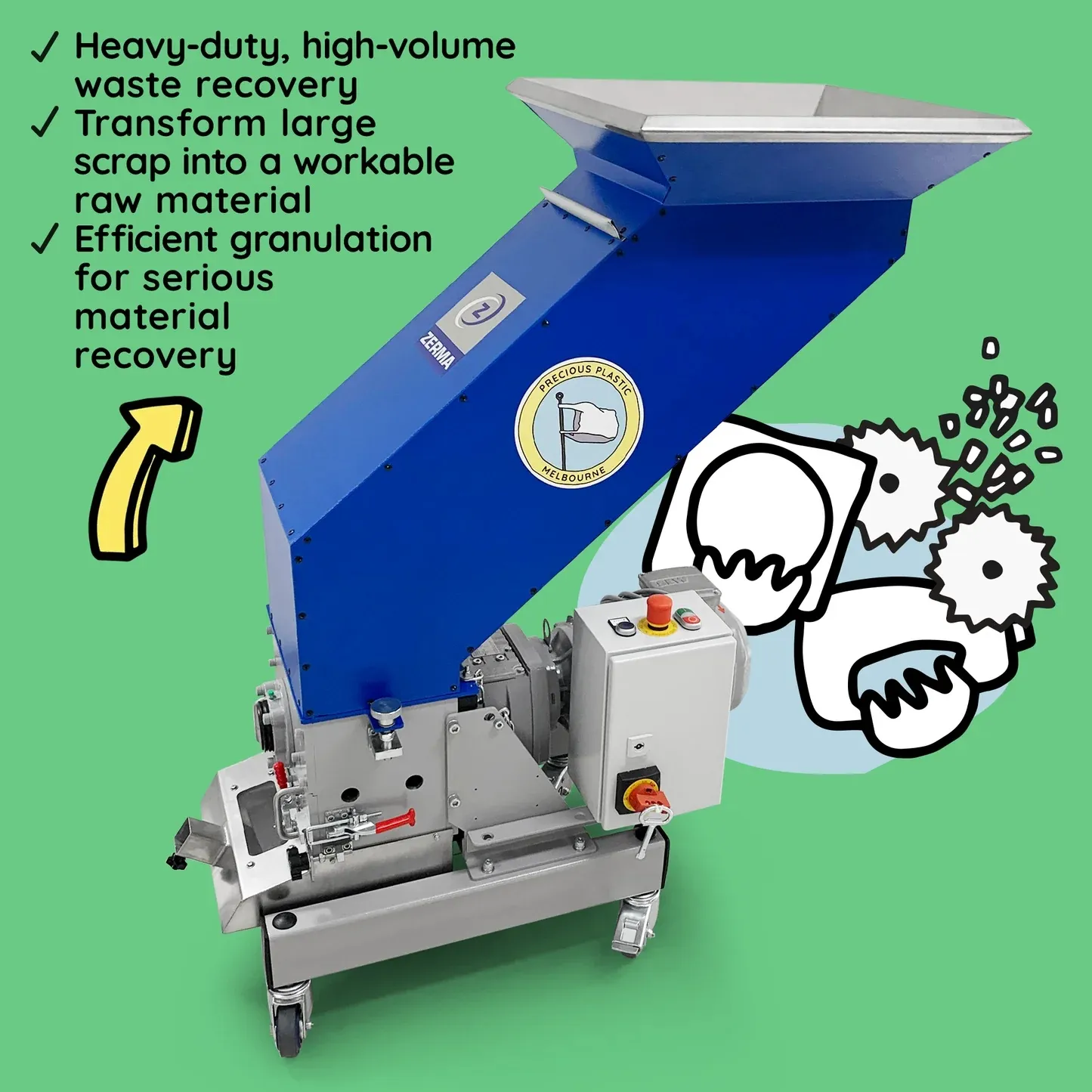
Figure 1: A modern industrial granulator recycling machine, showcasing its robust construction and key components.
How a Granulator Recycling Machine Works
The operation of a granulator is based on a relatively simple yet highly effective mechanical principle. The machine consists of a cutting chamber housing a rotor equipped with multiple hardened steel knives. These rotating knives work in conjunction with fixed bed knives to shear and cut the fed material.
Key Operational Stages
The granulation process involves several sequential stages:
- Feeding: Material is fed into the machine through a hopper. This can be done manually, via conveyor belt, or robotically for large-scale operations.
- Cutting & Size Reduction: Inside the sealed cutting chamber, the rotor spins at high speed. The material is repeatedly cut between the rotor knives and the stationary bed knives until the particles are small enough to pass through a screen.
- Screening: A perforated screen, or sieve, with specific hole diameters is installed at the bottom of the cutting chamber. It acts as a filter, ensuring only particles of the desired size (the "granulate" or "regrind") can exit.
- Discharge & Collection: The cut granules fall through the screen and are typically conveyed by a blower system or gravity into a collection bin or bag.
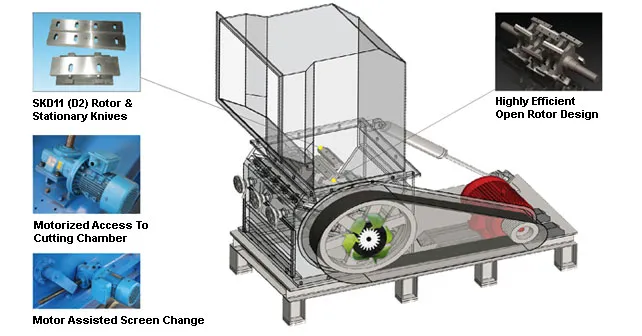
Figure 2: Diagram illustrating the shearing and cutting action between the rotor and bed knives inside the granulator chamber.
Types of Granulator Recycling Machines
Granulators are not one-size-fits-all; they are designed for different applications, throughputs, and material types. The main categories include:
| Type | Best For | Typical Applications | Key Characteristics |
|---|---|---|---|
| Beside-the-Press (Inline) | Immediate scrap recycling | Sprues, runners, and reject parts from injection molding or extrusion. | Compact, automated, directly feeds regrind back into the production process. |
| Central / Heavy-Duty | High-volume, mixed or tough materials | Post-consumer waste, large purgings, pipes, profiles, and film rolls. | High power, large hopper, built for continuous operation and durability. |
| Slow-Speed / Silent | Noise-sensitive environments | Office or light industrial settings, recycling of sheets and films. | Low rotational speed (20-80 RPM), significantly quieter operation. |
| Auger Feed | Light, bulky, or filmic materials | Film, fiber, foam, and non-woven textiles. | Uses a screw auger to force material into the cutting chamber, preventing "floating". |
Critical Advantages of Using Granulators
Integrating a granulator into a waste management or production system offers multifaceted benefits that extend beyond simple waste reduction.
Economic Benefits
Granulators provide a direct return on investment by converting waste into a valuable commodity. The regrind can be blended with virgin material, significantly reducing raw material costs. They also minimize waste disposal fees and lower logistics costs by drastically reducing the volume of scrap.
Environmental Impact
These machines are pillars of the circular economy. They divert significant amounts of waste from landfills and incinerators, conserve non-renewable petroleum resources (in the case of plastics), and reduce the carbon footprint associated with producing new virgin materials.
Operational Efficiency
Granulators ensure a consistent feed stock for extruders or molding machines, leading to more stable production processes and higher quality end products. Beside-the-press models automate scrap handling, improving workflow and labor efficiency.
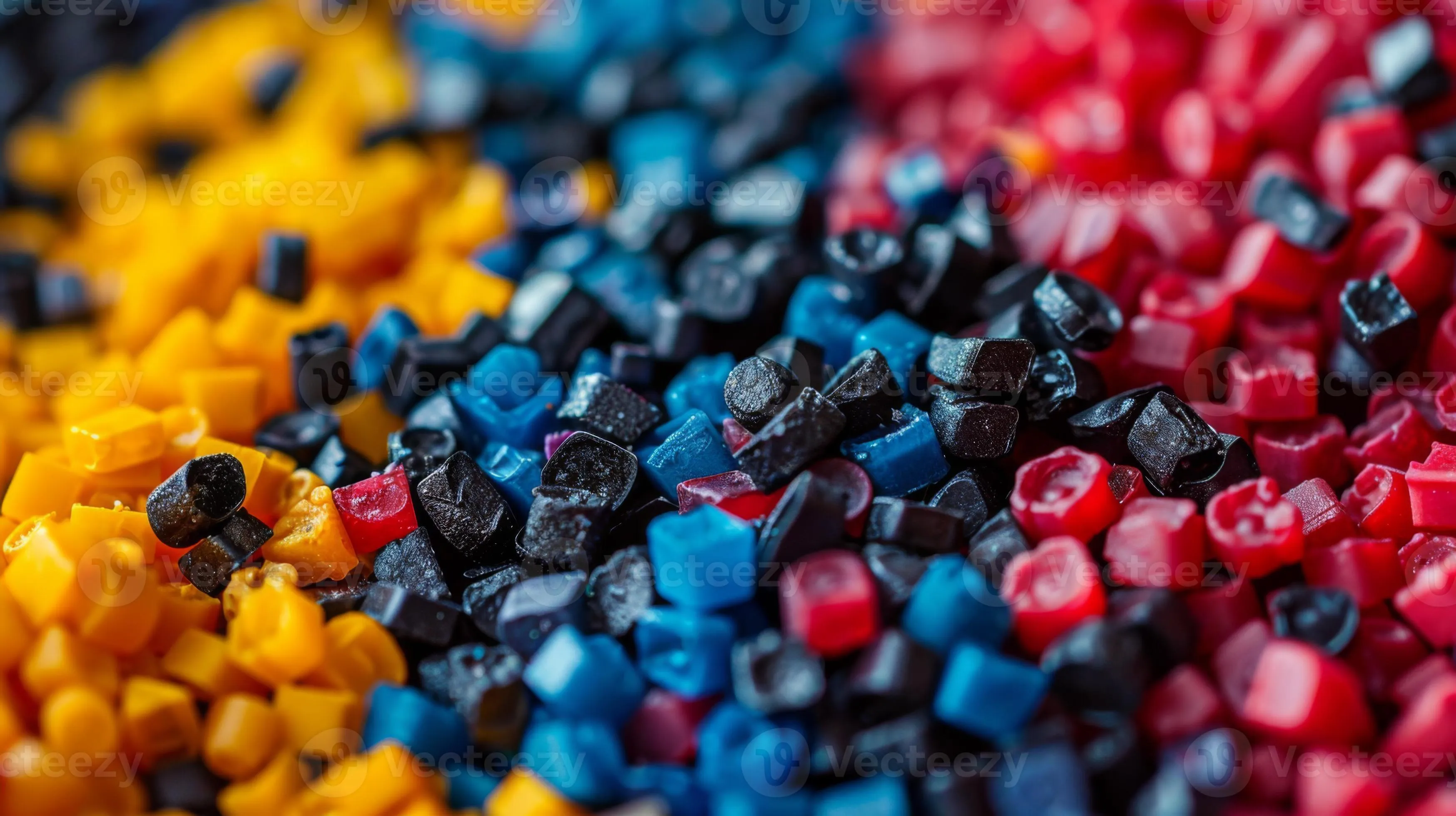
Figure 3: The end product: a pile of clean, uniformly sized plastic regrind ready for reprocessing.
Selection Criteria and Maintenance
Choosing the right granulator requires careful consideration of several factors: the type and form of input material, required throughput (kg/hr), desired granulate size, available space, and noise restrictions. Proper maintenance is crucial for longevity, safety, and consistent output quality. This includes regular knife sharpening or replacement, screen inspection, bearing lubrication, and ensuring all safety interlocks are functional.
Safety Considerations
Modern granulators are equipped with numerous safety features, such as electrical interlocks that prevent operation when the cutting chamber is open, magnetic detection systems to stop the rotor if metal is detected, and sound-dampening enclosures. Operator training on lockout-tagout (LOTO) procedures is essential.
The Future of Granulation Technology
The future of granulator recycling machines is geared towards smarter, more efficient, and more integrated systems. Trends include the integration of IoT sensors for predictive maintenance (monitoring vibration, motor load, and knife wear), advanced material detection systems using AI and cameras, and designs focused on even greater energy efficiency and noise reduction. As global recycling targets become more stringent, the role of the granulator as the primary size-reduction technology will only grow in importance, driving innovation in this critical field.