
Cost Savings with All-Electric Injection Molding Machines
In today's competitive manufacturing landscape, reducing operational costs while maintaining high-quality output is paramount. All-electric injection molding machines have emerged as a transformative technology, offering significant financial advantages over traditional hydraulic and hybrid systems. This article explores the key areas where these machines deliver substantial cost savings, from energy consumption to maintenance and precision.
Energy Efficiency: The Primary Driver of Savings
All-electric injection molding machines utilize servo motors to power each movement—clamping, injection, and ejection—rather than relying on a constant-running hydraulic pump. This targeted approach eliminates the idle energy consumption typical of hydraulic systems. Studies indicate that all-electric machines can reduce energy usage by 40% to 70% compared to hydraulic counterparts, depending on the application and cycle time.
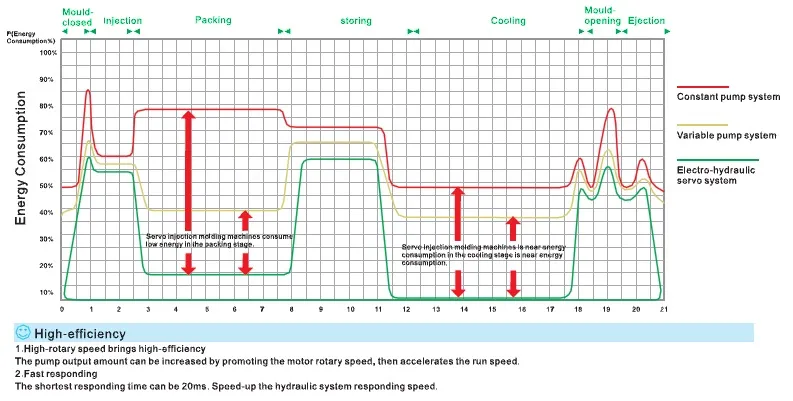
The direct energy conversion of electric servo motors also minimizes heat generation, reducing or even eliminating the need for costly cooling systems and chilled water, which further slashes factory utility bills.
Reduced Maintenance and Downtime Costs
Hydraulic systems require regular maintenance: oil changes, filter replacements, hose inspections, and leak management. All-electric machines eliminate hydraulic oil entirely, removing associated maintenance tasks, fluid disposal costs, and the risk of costly leaks contaminating products or the factory floor.
| Cost Component | Hydraulic Machine | All-Electric Machine |
|---|---|---|
| Hydraulic Oil & Filters | $2,500 - $4,000 | $0 |
| Cooling System Maintenance | $1,000 - $2,000 | $200 - $500 |
| Component Wear & Leak Repair | $1,500 - $3,000 | $300 - $800 |
| Total Estimated Annual Cost | $5,000 - $9,000 | $500 - $1,300 |
This reduction in mechanical complexity translates to higher machine uptime and reliability, ensuring consistent production schedules and fewer lost revenue opportunities.
Enhanced Precision and Material Savings
The superior control of servo motors provides exceptional repeatability and accuracy in shot size, injection speed, and holding pressure. This precision minimizes part weight variation and reduces scrap rates. By consistently producing parts within tighter tolerances, manufacturers use less resin per part and virtually eliminate waste from off-specification production.
Long-Term Operational and Strategic Advantages
Beyond direct cost savings, all-electric machines offer strategic benefits. They operate more quietly and cleanly, improving the work environment. Their digital nature integrates seamlessly with Industry 4.0 initiatives for predictive maintenance and real-time monitoring, optimizing overall equipment effectiveness (OEE).
Faster Cycle Times and Higher Throughput
Electric motors can accelerate and decelerate much faster than hydraulic systems. This capability, particularly in the mold opening and closing phases, can significantly reduce cycle times. Increased throughput means more parts produced per shift, effectively lowering the cost per part and improving return on investment.
Conclusion: A Smart Investment for Sustainable Manufacturing
While the initial purchase price of an all-electric injection molding machine may be higher, the total cost of ownership is often lower. The combination of drastic energy savings, minimal maintenance, reduced scrap, and higher productivity delivers a compelling ROI. For manufacturers aiming to boost profitability, enhance sustainability, and future-proof their operations, transitioning to all-electric technology is a financially sound and strategically wise decision.