
Compression Molding Machines in the Philippines: A Key to Manufacturing Growth
The manufacturing landscape in the Philippines is undergoing a significant transformation, driven by technological adoption and a growing focus on sectors like automotive, electronics, and consumer goods. At the heart of this evolution for many industries is the compression molding machine. This robust and versatile equipment is crucial for producing high-strength, dimensionally stable parts from materials like rubber, composites (SMC/BMC), and thermosetting plastics. For Philippine manufacturers, investing in reliable compression molding technology is not just an operational upgrade; it's a strategic move to enhance competitiveness, meet both local and export market demands, and foster industrial self-reliance.
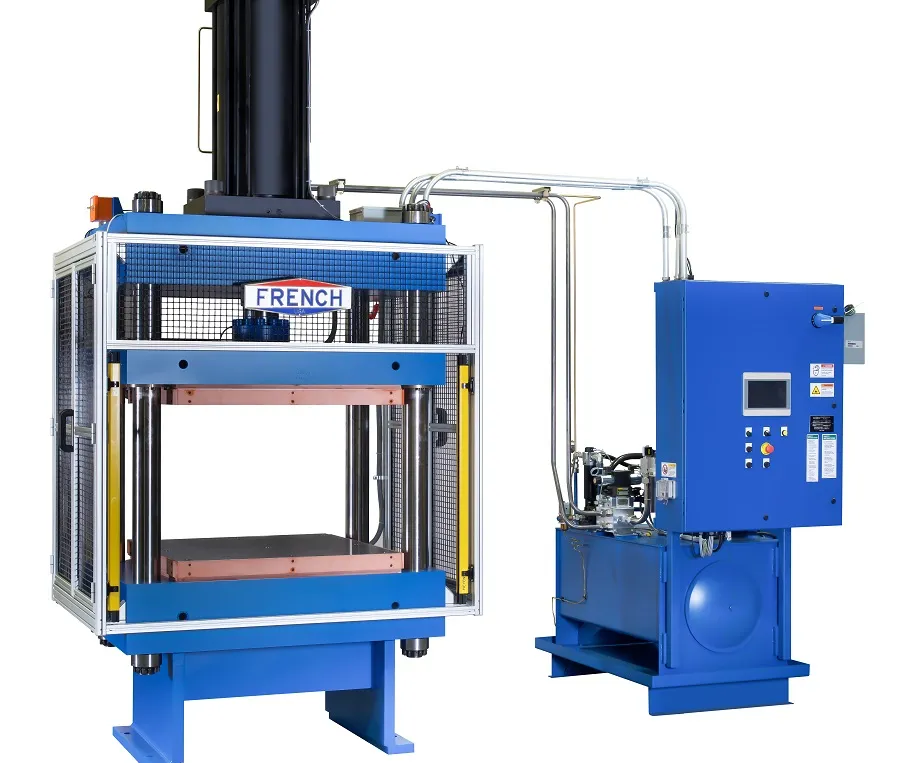
A modern hydraulic compression molding machine operational in a Philippine industrial plant.
Understanding Compression Molding Technology
Compression molding is a manufacturing process where a pre-measured amount of molding material (preform or charge) is placed into a heated mold cavity. The machine then closes, applying both heat and high pressure to force the material to conform to the shape of the mold, where it cures or solidifies. In the Philippine context, this process is prized for its efficiency in medium to high-volume production, minimal material waste, and ability to create large, intricate parts with excellent mechanical properties.
Key Components of a Compression Molding Machine
A typical machine consists of a robust frame, a hydraulic system for generating clamping force, heated platens where the mold is mounted, and a sophisticated control system. The durability and precision of these components directly impact part quality and production throughput, making the choice of machine critical for Philippine operators.
Applications in the Philippine Industrial Sector
The adaptability of compression molding makes it invaluable across key Philippine industries:
- Automotive Parts: Production of under-hood components, headlamp housings, and interior panels using Sheet Molding Compound (SMC).
- Electronics & Electrical: Manufacturing of insulators, circuit breakers, switchgear components, and encapsulation parts.
- Consumer Goods & Housewares: Creating durable kitchenware, appliance housings, and furniture components.
- Industrial Components: Producing gears, seals, gaskets, and other high-performance rubber and composite parts.
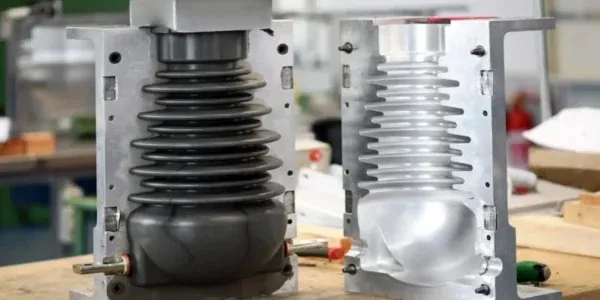
Finished composite automotive parts manufactured locally using compression molding.
Benefits for Philippine Manufacturers
Adopting compression molding technology offers distinct advantages that align with the goals of the local manufacturing sector:
| Benefit | Description | Impact on Philippine Business |
|---|---|---|
| High Part Strength & Quality | Produces dense, void-free parts with excellent structural integrity. | Enables local suppliers to meet stringent international quality standards for export. |
| Material Efficiency | Minimal flash and scrap compared to other processes, reducing raw material costs. | Lowers production costs, a key factor in price-competitive markets. |
| Ability to Mold Large Parts | Ideal for producing large, relatively simple shapes that are difficult with injection molding. | Supports industries like automotive and construction requiring large components. |
| Durability & Longevity | Machines are built for heavy-duty cycles and long service life. | Provides a strong return on investment (ROI) in the long-term operational context of Philippine industry. |
Procuring Compression Molding Machines in the Philippines
The market for this equipment in the Philippines is served by a mix of international suppliers and local distributors. Companies can source machines from established global brands (often from China, Taiwan, Japan, or Europe) through local agents who provide sales, installation, and after-sales support. Additionally, some local fabricators offer refurbished or custom-configured machines. Key considerations for Philippine buyers include:
Critical Selection Factors
- Clamping Force (Tonnage): Must match the projected area and material of the parts to be molded.
- Platen Size & Daylight: Determines the maximum mold size and part height.
- Control System: Modern PLC-based controls with touchscreen interfaces enhance precision and repeatability.
- Heating System & Precision: Uniform temperature control across platens is vital for consistent part curing.
- Local Service & Technical Support: Perhaps the most crucial factor. Availability of spare parts and local technicians ensures minimal downtime.
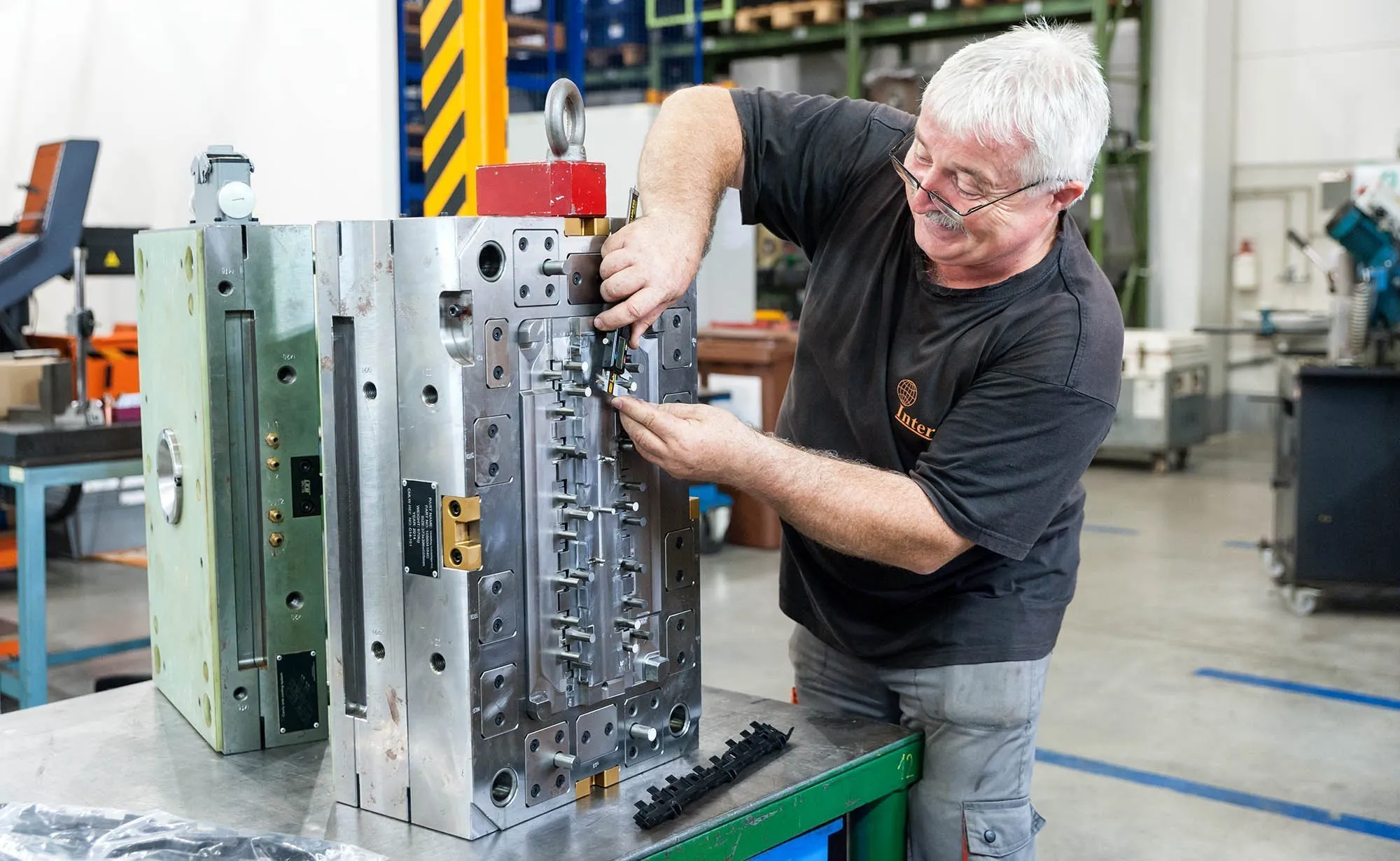
Local technical support is essential for maintaining machine uptime in Philippine factories.
Future Outlook and Trends
The future of compression molding in the Philippines is intertwined with broader manufacturing trends. The push towards lighter, stronger materials in automotive and aerospace will drive demand for advanced composite molding. Furthermore, the integration of Industry 4.0 principles—such as IoT sensors for predictive maintenance and data analytics for process optimization—will make newer generations of compression molding machines in the Philippines smarter and more efficient. Government initiatives supporting industrial modernization and the "Make It Happen in the Philippines" campaign are likely to further stimulate investment in such core manufacturing technologies.
Summary
The compression molding machine stands as a cornerstone technology for the evolving manufacturing sector in the Philippines. Its ability to produce high-quality, durable parts from composites, rubber, and thermosets makes it indispensable for key industries aiming for growth and global competitiveness. Success hinges on strategic procurement—selecting the right machine specifications and ensuring robust local service support. As the Philippine industry continues its upward trajectory, compression molding technology will undoubtedly play a pivotal role in shaping a more resilient and innovative manufacturing future for the nation.