Complete Guide to Hot Runner Systems in Injection Molding
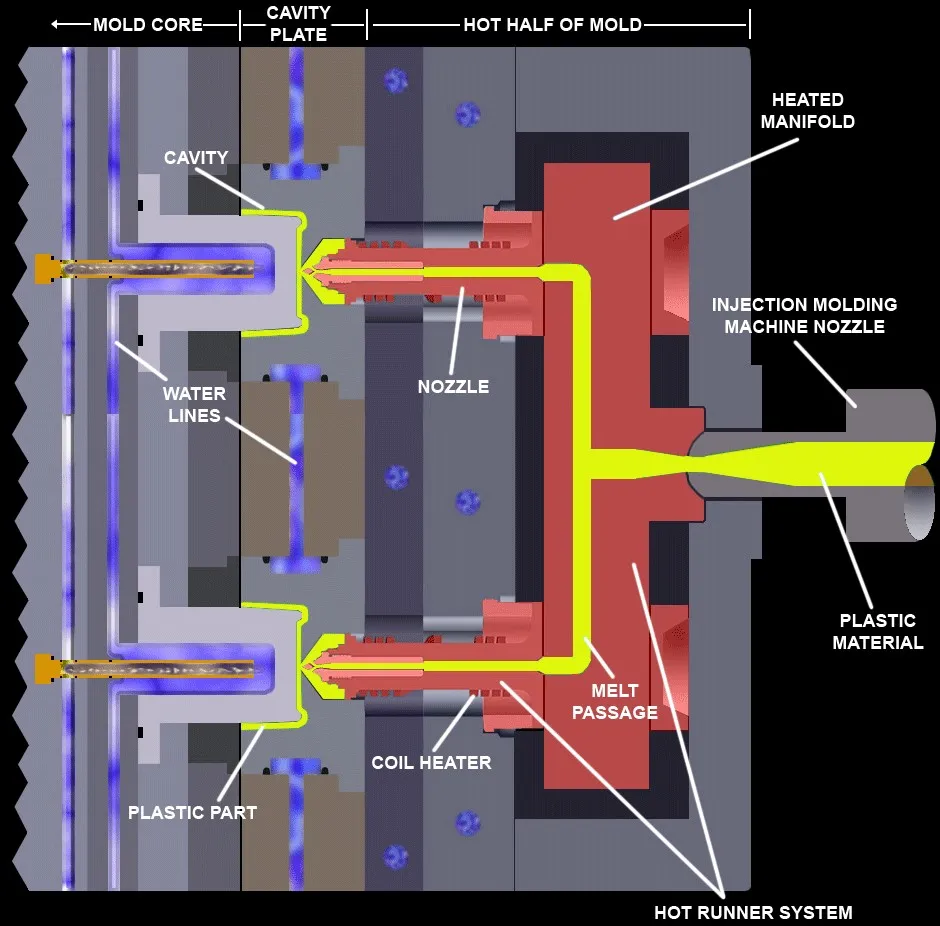
A hot runner system is an advanced injection molding technology that maintains plastic material in a molten state as it travels from the machine nozzle to the mold cavity. Unlike conventional cold runner systems, hot runners eliminate material waste and improve production efficiency by keeping the plastic material heated throughout the entire injection process.
Fundamental Components of Hot Runner Systems
Manifold
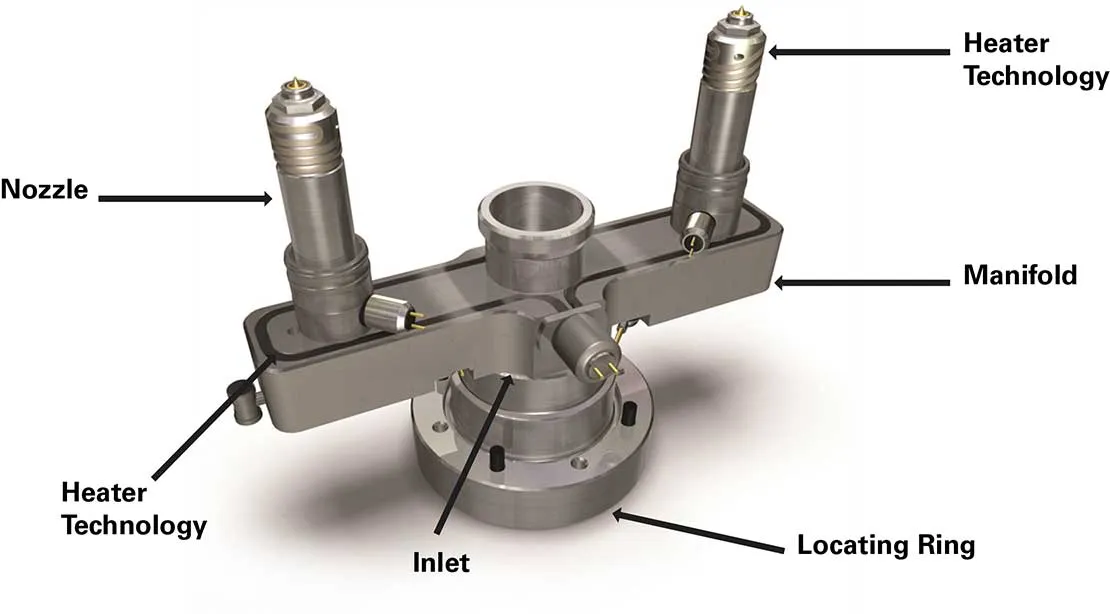
The manifold serves as the central distribution hub in a hot runner system. It's a heated block containing internal channels that distribute molten plastic from the injection molding machine to multiple injection points. Manifolds are typically heated with cartridge heaters or coil heaters and are designed to maintain consistent temperature throughout the system.
Heated Nozzles
Heated nozzles are critical components that deliver molten plastic from the manifold to the mold cavities. These nozzles maintain precise temperature control and come in various designs including open, valve-gated, and thermal-gated configurations. Each nozzle type serves specific application requirements and material characteristics.
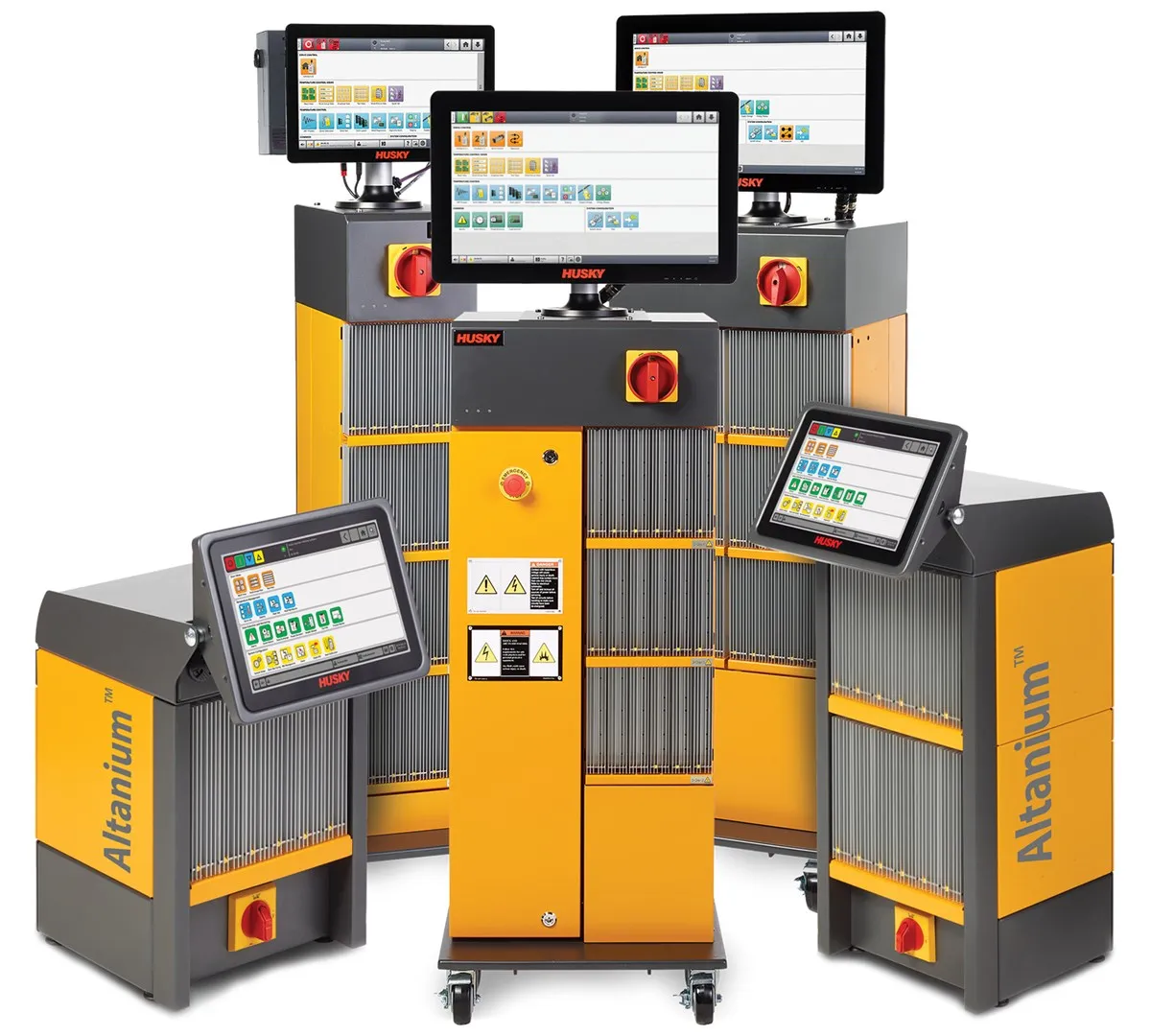
Temperature Controllers
Sophisticated temperature control systems are essential for maintaining optimal processing conditions. These controllers manage the heat distribution throughout the hot runner system, ensuring consistent melt temperature and preventing material degradation or freezing in the runners.
Types of Hot Runner Systems
Internally Heated Systems
Internally heated hot runner systems use heaters placed inside the runner channels to maintain material temperature. These systems typically consume less energy and provide good temperature uniformity, but may experience material hang-up issues with certain plastic types.
Externally Heated Systems
Externally heated systems feature heaters surrounding the runner channels, providing more uniform heat distribution and better temperature control. These systems are more common in modern injection molding applications due to their superior performance with a wide range of materials.
Valve Gate Systems
Valve gate hot runner systems use mechanically actuated pins to control the flow of plastic into mold cavities. This technology enables precise control over filling patterns, reduces gate vestige, and allows for larger gate sizes, making them ideal for technical components and appearance-critical parts.
| System Type | Heating Method | Advantages | Limitations | Best Applications |
|---|---|---|---|---|
| Internally Heated | Heaters inside runners | Lower energy consumption, compact design | Potential material degradation, limited material compatibility | Standard commodity plastics |
| Externally Heated | Heaters around runners | Better temperature control, wider material compatibility | Higher initial cost, larger footprint | Engineering plastics, multi-cavity molds |
| Valve Gate | External heating with mechanical shut-off | Precise control, reduced gate marks, larger gates possible | Complex maintenance, highest cost | Automotive, medical, optical components |
Key Advantages of Hot Runner Systems
Material Savings
Hot runner systems eliminate sprue and runner waste, resulting in significant material savings, especially in high-volume production. This not only reduces material costs but also minimizes the environmental impact of manufacturing operations.
Improved Cycle Times
By eliminating the cooling and ejection of runner systems, hot runners enable faster cycle times. The absence of cold runners means the mold can open and close more quickly, increasing overall production efficiency.
Enhanced Part Quality
Hot runner systems provide better control over injection parameters, leading to improved part consistency, reduced stresses, and superior surface finish. The balanced flow of molten plastic ensures uniform filling of all cavities in multi-cavity molds.
Automation Compatibility
The runnerless nature of hot runner systems makes them ideal for automated manufacturing processes. Parts can be automatically ejected without manual intervention for runner separation, reducing labor costs and improving workplace safety.
| Benefit Category | Short-term Impact | Long-term Impact | ROI Consideration |
|---|---|---|---|
| Material Savings | 15-30% reduction in material usage | Significant cost savings over production life | 1-2 year payback typically |
| Cycle Time Reduction | 10-25% faster cycles | Increased production capacity | Additional 5-15% cost savings |
| Labor Efficiency | Reduced manual handling | Lower operational costs | Improved workplace safety |
| Quality Improvement | Fewer rejects and reworks | Enhanced customer satisfaction | Reduced warranty claims |
Applications and Industry Usage
Automotive Industry
Hot runner systems are extensively used in automotive component manufacturing for producing interior trim, electrical components, and under-hood parts. The technology enables high-volume production with consistent quality and material efficiency.
Medical Devices
The medical industry relies on hot runner systems for manufacturing sterile, high-precision components. The elimination of runners reduces contamination risks and ensures part consistency critical for medical applications.
Consumer Products
From electronic housings to household items, hot runner systems enable cost-effective production of consumer goods with aesthetic requirements and tight tolerances.
Maintenance and Operational Considerations
Preventive Maintenance
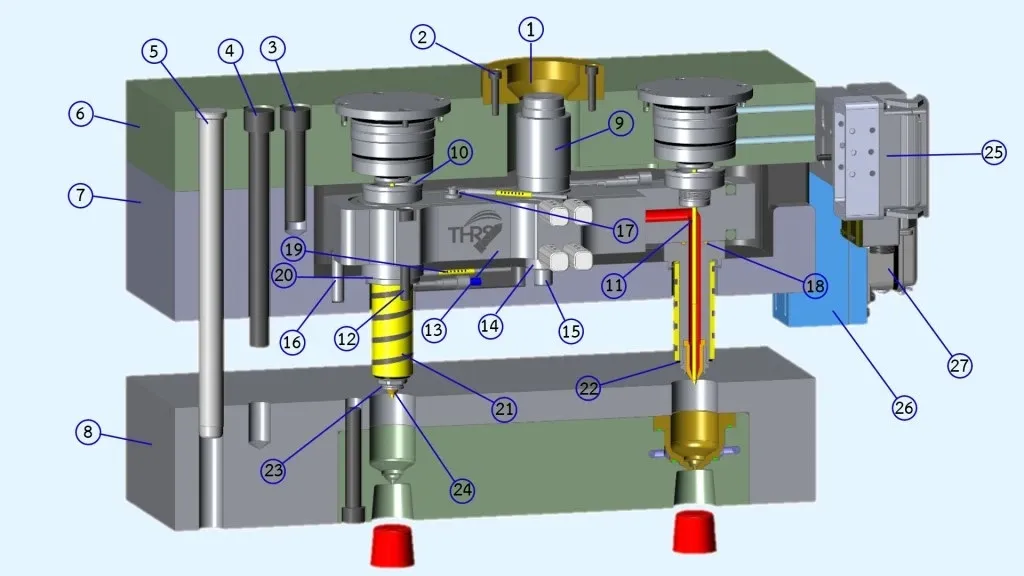
Regular maintenance is crucial for hot runner system longevity. This includes cleaning of nozzles, checking heater resistance, verifying thermocouple function, and ensuring proper insulation.
Temperature Management
Proper temperature control is essential for system performance. Operators must maintain temperatures within material-specific ranges to prevent degradation or freezing.
Troubleshooting Common Issues
Common hot runner problems include heater failures, thermocouple issues, nozzle drool, and material degradation. Systematic troubleshooting procedures help maintain optimal system performance.
Future Trends in Hot Runner Technology
The evolution of hot runner systems continues with advancements in digital temperature control, improved materials for components, energy-efficient heating technologies, and integration with Industry 4.0 smart manufacturing systems. These developments promise even greater efficiency, reliability, and automation capabilities for injection molding operations.