
Automatic Feeding System for Sale: Revolutionizing Modern Agriculture and Livestock Management
The agricultural and livestock industries are undergoing a significant transformation, driven by the need for efficiency, precision, and scalability. At the heart of this revolution is the automatic feeding system for sale. These systems are no longer a luxury but a critical investment for modern farms, dairies, poultry houses, and aquaculture facilities seeking to optimize productivity, reduce labor costs, and ensure animal welfare. This article provides an in-depth look at the technology, benefits, and key factors to consider when exploring an automatic feeding system for sale.
What is an Automatic Feeding System?
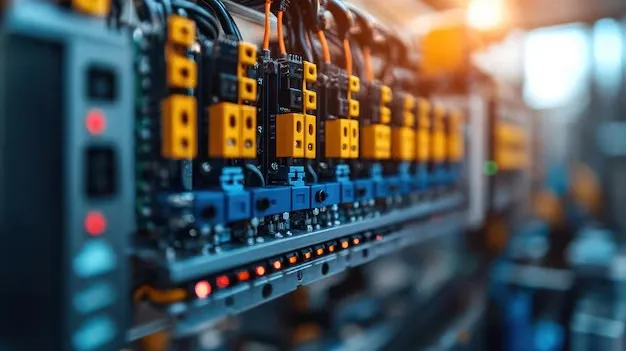
An automatic feeding system is a mechanized solution designed to deliver precise amounts of feed (pellets, grains, mash, or liquids) to animals at scheduled intervals without constant human intervention. These systems integrate various components like conveyors, hoppers, mixers, control panels, and delivery mechanisms to create a seamless, programmable feeding process.
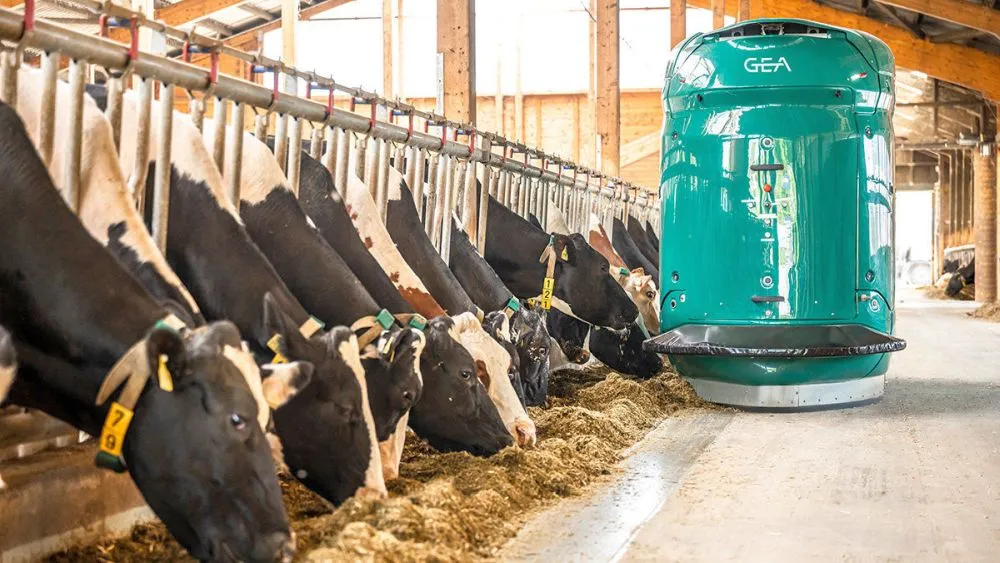
Core Benefits of Investing in an Automatic Feeding System
1. Enhanced Operational Efficiency and Labor Savings
The most immediate benefit is the drastic reduction in manual labor. Automating the feeding process frees up personnel for other critical tasks like animal health monitoring and facility management, leading to better resource allocation.
2. Precision Nutrition and Improved Animal Health
These systems allow for exact control over feed portions and timing. Consistent, accurate feeding prevents over- or under-consumption, promoting uniform growth, optimal health, and improved feed conversion ratios (FCR).
3. Significant Reduction in Feed Waste
By delivering feed directly to troughs or specific stations, automatic systems minimize spillage and contamination. This precise delivery can lead to substantial cost savings on feed, which often constitutes the largest operational expense.
4. Data-Driven Management and Consistency
Modern systems come with software that logs feeding data, providing valuable insights into consumption patterns. This enables 24/7 operation, ensuring animals are fed on time, every time, regardless of weekends or holidays.
Primary Types of Automatic Feeding Systems for Sale
The market offers various configurations tailored to different needs. Below is a comparison of common types:
| System Type | Best Suited For | Key Features | Considerations |
|---|---|---|---|
| Conveyor Belt Systems | Poultry (broilers, layers), swine in long houses | Continuous feed line, simple design, even distribution | Requires regular maintenance; best for dry feed |
| Chain & Disc Delivery Systems | Dairy cattle, beef feedlots | Durable, can handle long distances, good for large herds | Higher initial investment; robust construction needed |
| Liquid/Slurry Feeding Systems | Swine, dairy (TMR - Total Mixed Ration) | Mixes and pumps wet feed, precise ingredient control | Complex setup; requires careful management to prevent spoilage |
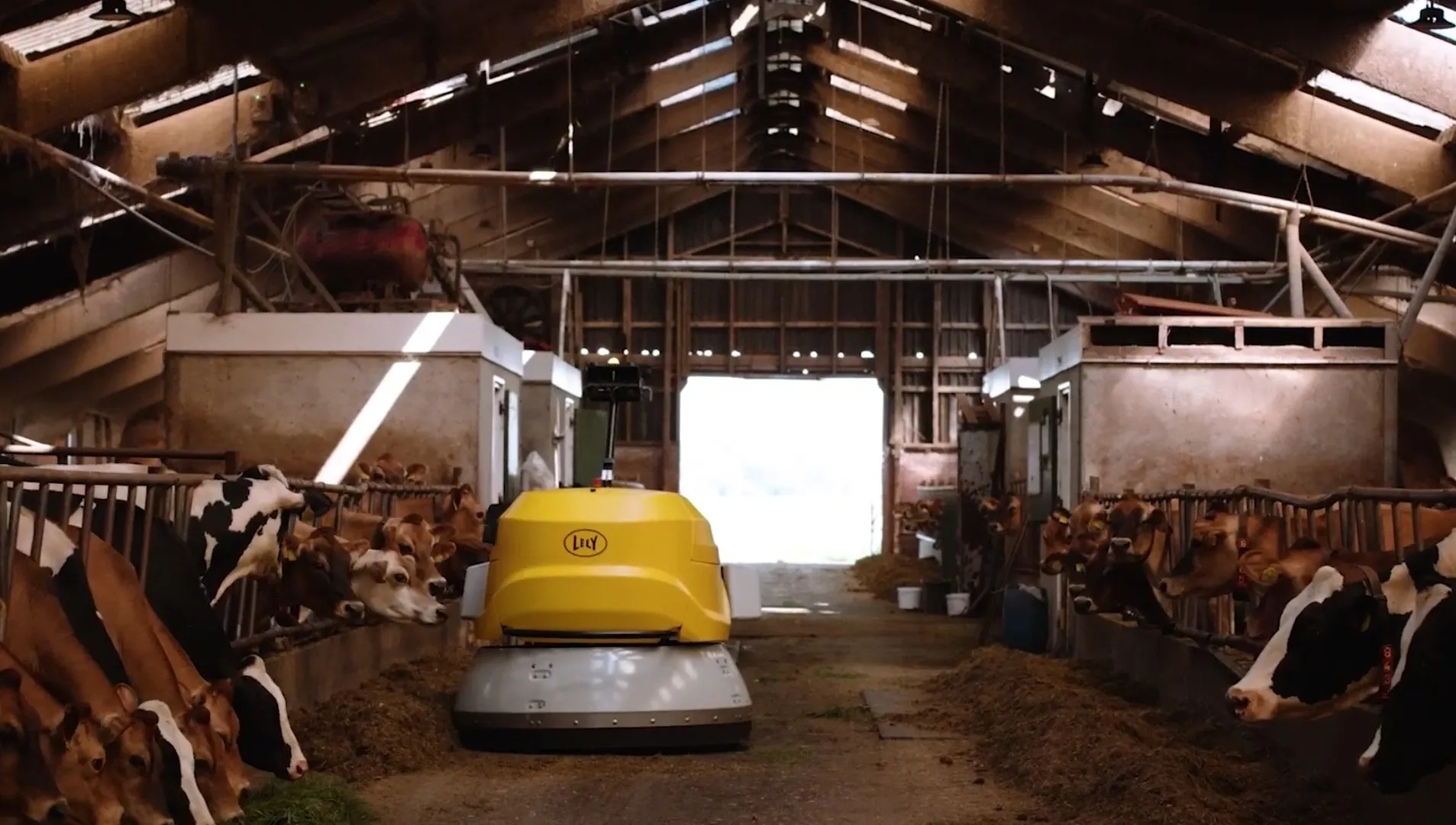
| Robotic Feeding Vehicles | Modern dairy farms, large-scale facilities | Fully autonomous, GPS-guided, highly flexible | Highest cost; advanced technology integration |
Key Considerations Before Purchasing a System
Choosing the right automatic feeding system for sale requires careful evaluation of several factors:
1. Facility Scale and Animal Type
The size of your operation and the species you raise are the primary determinants. A system for 50 dairy cows differs vastly from one needed for 100,000 broiler chickens.
2. Feed Type and Formulation
Ensure the system is compatible with your feed (pellet size, mash, liquid). Some systems are designed specifically for Total Mixed Rations (TMR) in dairies.
3. Integration with Existing Infrastructure
Consider barn layout, power availability, and space for components like silos and conveyors. Retrofitting an older facility may present unique challenges.
4. Technology and Control Features
Look for user-friendly software, remote monitoring capabilities, reliability of sensors, and the availability of technical support and spare parts.
5. Budget and Return on Investment (ROI)
While the upfront cost can be significant, calculate the ROI based on labor savings, reduced feed waste, and improved animal performance. Many systems pay for themselves within a few years.
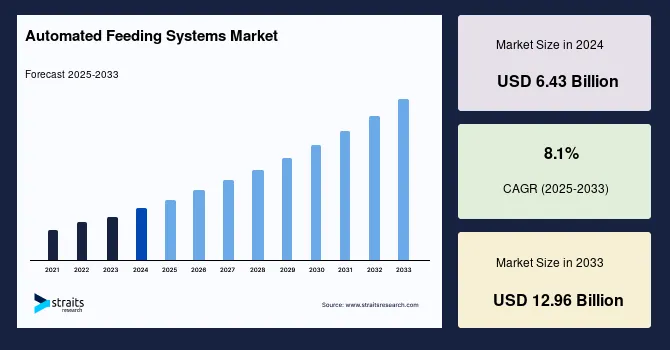
The Future of Automated Feeding
The future points towards even greater integration of the Internet of Things (IoT), artificial intelligence (AI), and data analytics. Future systems will not only dispense feed but also analyze individual animal consumption in real-time, adjusting rations for health and optimizing growth trajectories automatically.
In conclusion, investing in an automatic feeding system for sale is a strategic decision that aligns with the future of efficient and sustainable animal production. By carefully assessing your needs, exploring the types available, and planning for integration, you can select a system that boosts productivity, enhances animal welfare, and improves your operation's bottom line for years to come.